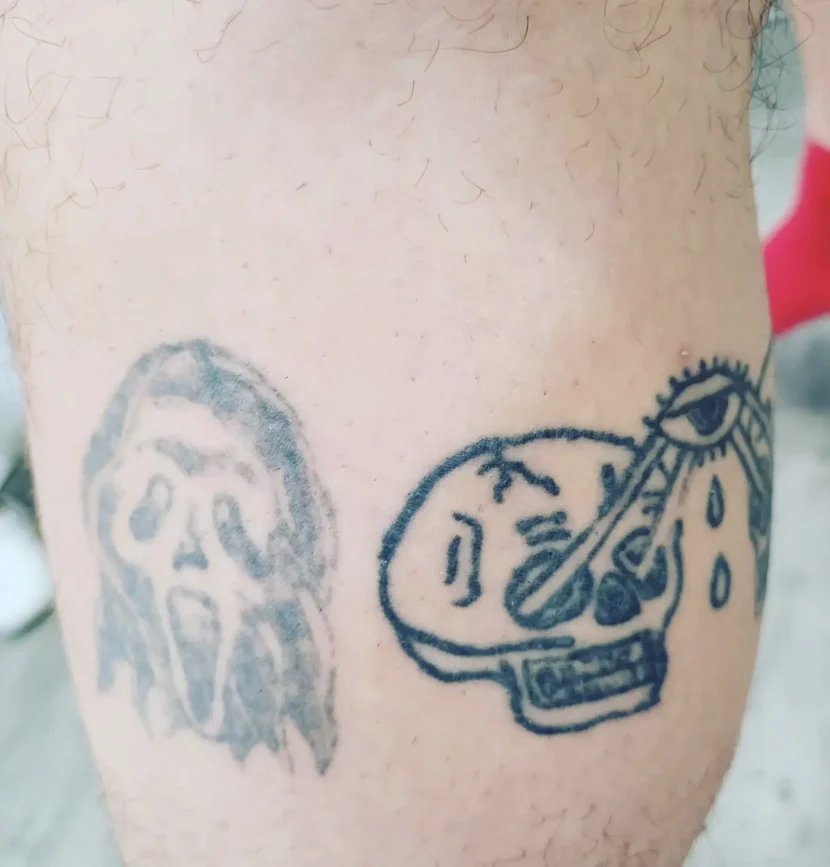
“Can Picosecond lasers safely treat recalcitrant blue and green inks on Fitzpatrick 5 skin?” – a question I hear all the time – and one that usually pops up from clients who’ve already had a pretty rough experience with laser tattoo removal and don’t want to risk their skin again.
If you’ve got skin that’s on the deeper end of the Fitzpatrick scale and you’re dealing with a tattoo that’s being stubborn with its colours, then you’re entirely right to take a step back and ask some questions. At my Melbourne clinic, Cosmetic Tattoo Studio Melbourne Face Figurati, I’ve seen what works beautifully – and unfortunately also what’s gone wrong – when the treatment hasn’t been tailored to the skin type.
Let’s get down to what actually makes a difference when it comes to removing tattoos – no hype, just real information you can actually use.
Contents
- 1 Why Certain Colours Resist Removal More Than Others
- 2 What Makes Melanin-Rich Skin More Reactive To Laser Energy
- 3 What Modern Picosecond Devices Actually Do Differently
- 4 What Clinical Evidence And Practice Outcomes Show
- 5 What Your Treatment Journey Will Actually Look Like
- 6 A Real Case From My Melbourne Studio
- 7 How To Prepare Your Skin Before Your First Session
- 8 Post-Treatment Care That Protects Your Skin
- 9 Potential Side Effects And How We Minimise Them
- 10 Pricing Expectations In Melbourne Clinics
- 11 Clearing Up Common Misconceptions
- 12 Final Thoughts: Focus On Skin Safety First, Results Second
- 13 FAQ
- 13.1 Will this work for me if I have darker skin?
- 13.2 Why on earth does colourful ink take so much longer to disappear?
- 13.3 What’s the most likely to go wrong during the healing process?
- 13.4 How long should I be waiting between sessions to make sure my skin is all good?
- 13.5 Is newer technology always going to give me better results?
Why Certain Colours Resist Removal More Than Others
Not all tattoo ink behaves the same way under a laser, and those blue and green tones are the ones that just refuse to budge for a reason.
These colours don’t absorb laser wavelengths as readily as darker pigments do, which means they require more precise targeting and more sessions to break them down. Older lasers like the Q-switched laser or alexandrite laser can work, but they often struggle with layered pigment and ink that’s been placed deeper within the skin.
In reality, I usually put it like this:
- Darker pigment responds fast
- Warm tones take a little longer
- Cool tones (like blue and green) take the longest – and require the most care
It all comes down to technique – not the machine itself. I’ve had clients come in after a tattoo laser removal course treatment elsewhere because they just weren’t adjusting to the type of pigment they were dealing with.
What Makes Melanin-Rich Skin More Reactive To Laser Energy
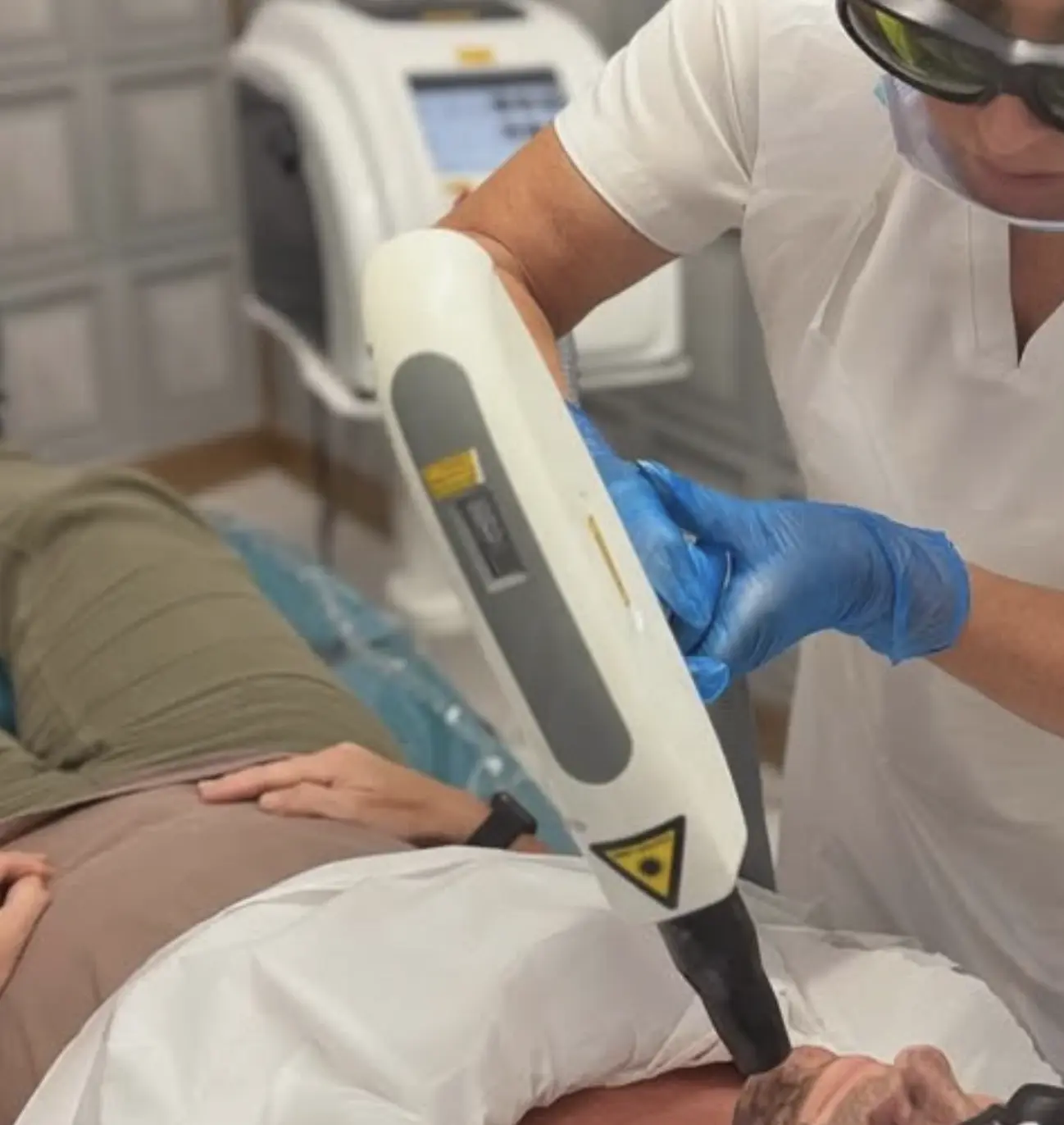
Working with Fitzpatrick 5 skin is a whole different ball game when it comes to using laser energy.
With higher melanin levels, your skin competes with the tattoo ink for laser absorption, increasing the risk of post-inflammatory hyperpigmentation, especially if the treatment is overly aggressive.
In Melbourne, the changing seasons do play a role too – after summer, even a bit of sun exposure can make your skin react differently to laser energy.
That’s why at Cosmetic Tattoo Studio Melbourne Face Figurati, we:
- Do a thorough assessment of skin tone and recent UV exposure
- Adjust the laser settings carefully
- Space out the sessions a bit longer than usual
It’s not about dragging things out unnecessarily – it’s about taking care of your skin in the long run.
What Modern Picosecond Devices Actually Do Differently
Picosecond technology has a rep for being a game changer – but let’s call a spade a spade.
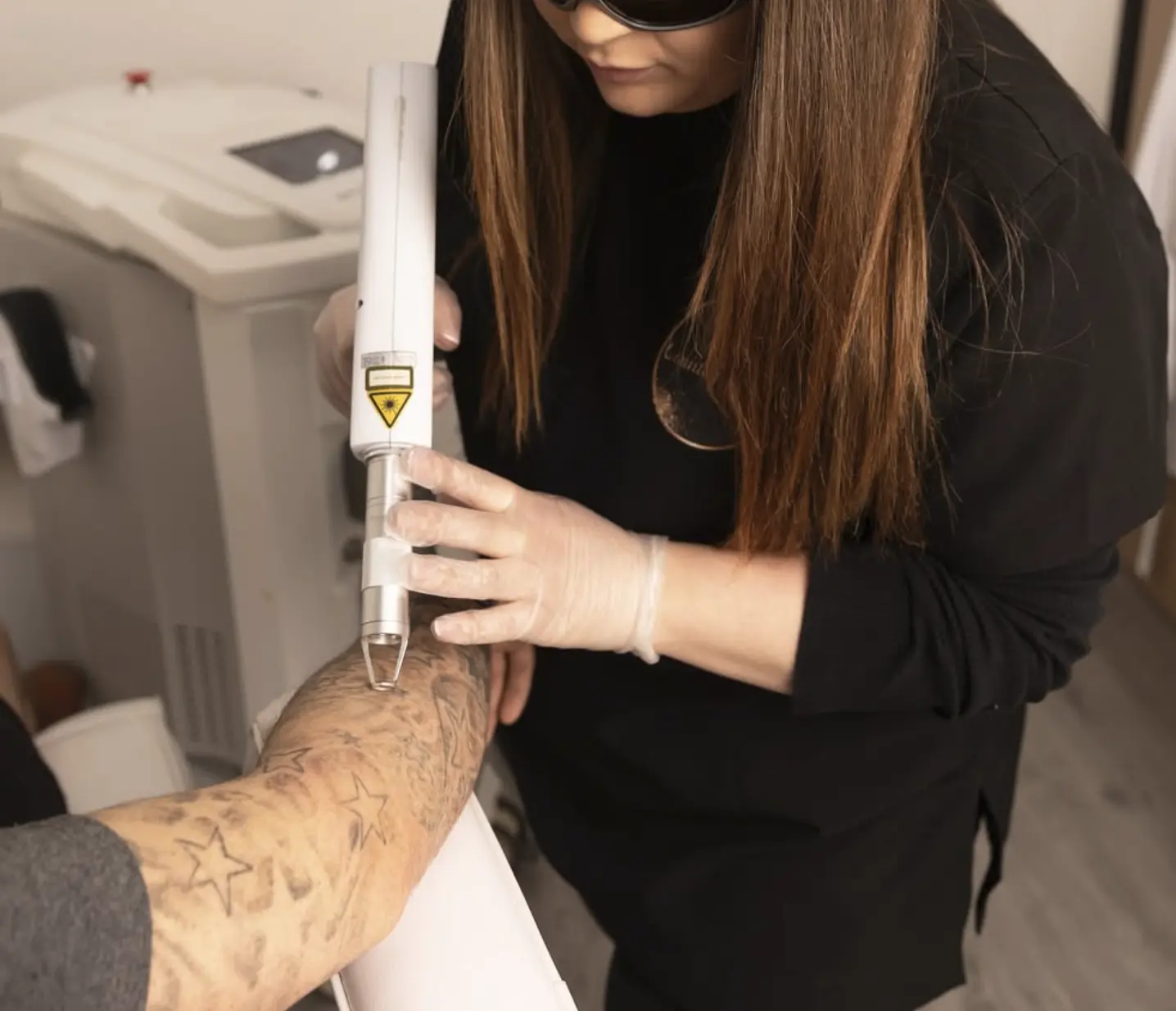
These devices are all about firing off super-short pulses of light, which creates a photoacoustic effect that shatters those pesky tattoo ink particles instead of just heating them. That, in turn, reduces heat damage and makes it much safer for the surrounding skin.
In simple terms:
- Less heat gets dumped on the skin
- More of the ink gets physically broken down
- Even the trickiest colours get targeted
That’s why Picosecond lasers have become the go-to for coloured tattoos, especially in people with darker skin.
But still, the results depend entirely on the practitioner. Just because they’ve done a laser tattoo removal training course doesn’t mean they can actually figure out how to tweak treatment protocols for someone with Fitzpatrick 5 skin.
What Clinical Evidence And Practice Outcomes Show
When you look at the research and actual results in real life, it turns out picosecond-domain lasers do improve things – but they still don’t wipe out all the risk.
What we see from both the clinical studies and real patient results is:
- Coloured tattoos get cleared of pigment a lot more effectively
- The lower heat reliance does mean less scarring risk
- Even so, you still might get some pigment changes on darker skin
In my experience, I always opt for a gradual fade over a hasty removal. That’s just good practice, and one that lines up with wider standards for health-related content – where safety and reliability count for way more than speed.
What Your Treatment Journey Will Actually Look Like
Let’s set expectations clearly — because this is where most disappointment happens.
| Stage | What Happens | Timeframe |
|---|---|---|
| Consultation | Skin assessment, pigment check, patch test | 1–2 weeks prior |
| Initial Session | Conservative laser settings | Day 0 |
| Healing Phase | Redness, mild swelling, possible darkening | 7–14 days |
| Breakdown Phase | The body clears ink particles | 4–8 weeks |
| Follow-Up Sessions | Adjusted settings based on response | Every 6–10 weeks |
| Full Course | Gradual colour fading | 6–12+ sessions |
This is a process — not a quick fix. Anyone promising fast removal on this skin type is taking shortcuts.
A Real Case From My Melbourne Studio
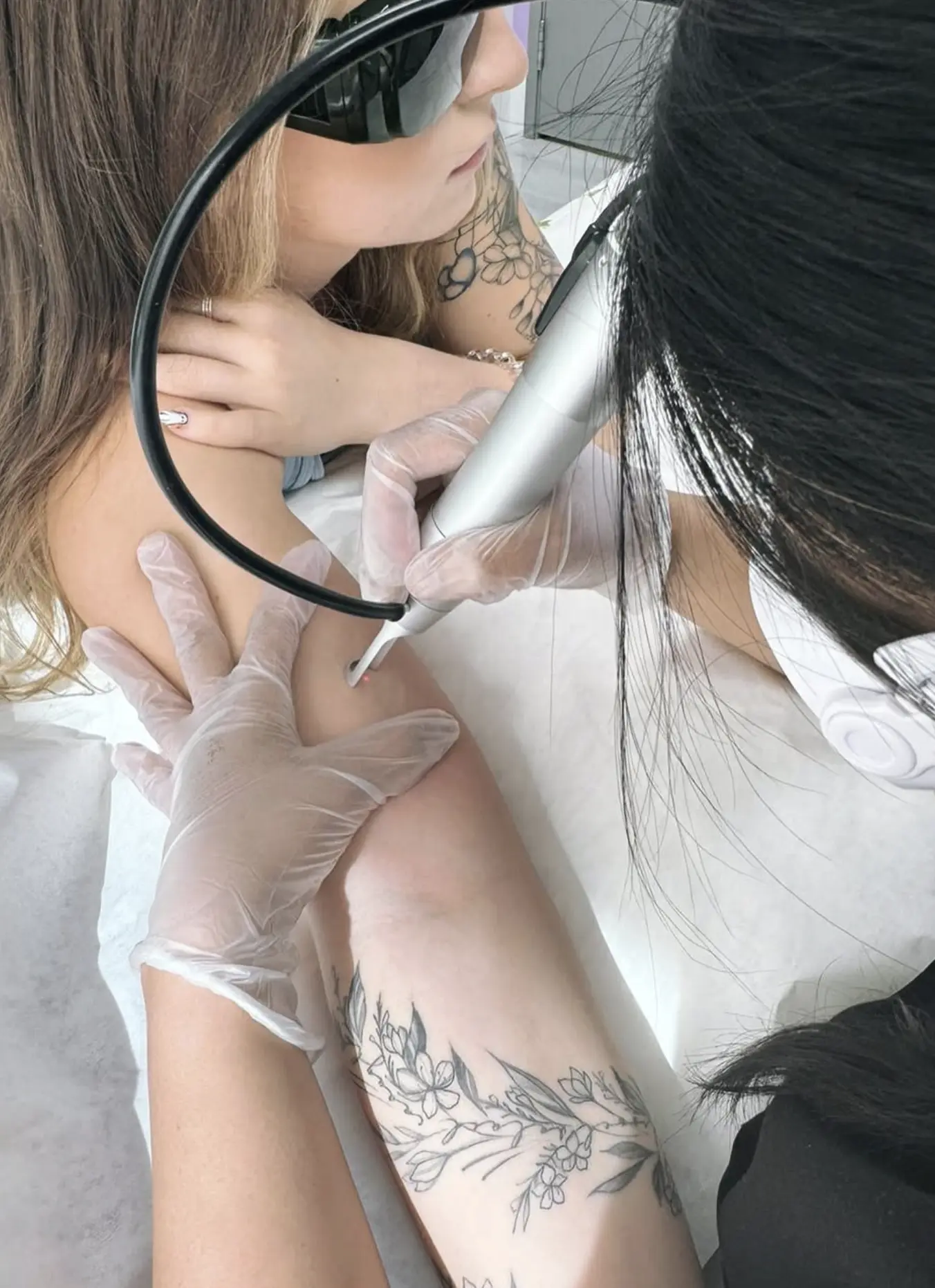
A client came to me with a blue-green eyeliner tattoo that had already been partially worked on elsewhere. The pigment was patchy, and you could see early signs of hyperpigmentation creeping in.
She’d initially booked in wanting to know about nano brows, but it was pretty clear we needed to sort out the pigment first.
We adjusted our approach – lower energy settings, longer breaks between sessions, and super strict aftercare rules. Over several sessions, the pigment faded out evenly, and her skin stayed stable.
It wasn’t lightning-fast, but we were playing it safe all the way. And at the end of the day, that’s what it’s all about.
How To Prepare Your Skin Before Your First Session
Getting your skin into shape for treatment doesn’t have to be a drama, but it does need to be done consistently.
A few weeks before your appointment, focus on keeping the skin calm and protected. Don’t go anywhere near the sun, scale back on strong skincare products, and make sure the area stays well hydrated. If your skin is all irritated or messed up, it’s usually better to wait another day before booking in.
Melbourne in winter is perfect for starting treatment – less sun = fewer variables to worry about when it comes to how your skin is going to react.
Post-Treatment Care That Protects Your Skin
Aftercare spells the difference between results that stick and those that don’t
You’re going to get some redness and mild swelling straight after treatment, but that’s all normal. What really matters is how you look after the area over the next few days.
Just clean it, steer clear of heat, and make sure it doesn’t get any sun. Don’t overdo it with products – keep things simple and let the skin recover. And for goodness sake, don’t go picking at it even if it starts flaking.
For people with skin as sensitive as Fitzpatrick 5, following a good aftercare routine can make a huge difference in avoiding pigmentation problems.
Potential Side Effects And How We Minimise Them
I’m not going to sugarcoat it – even with the best technology around, there are still risks involved.
The most common issue is post-inflammatory hyperpigmentation, and sometimes you can get a bit of temporary skin lightening as well. Blisters can appear if we use too high an energy setting or if aftercare isn’t followed.
These things don’t happen out of the blue – they’re usually linked to something going wrong in the treatment process or a lack of experience on the practitioner’s part. Having a tattoo removal certification doesn’t mean much if they don’t understand how different skin types react.
Pricing Expectations In Melbourne Clinics
Costs vary depending on where you are and how complicated the job is.
Typical range:
$150–$400 per session
What you pay at the end of the day depends on how many sessions you need
You’re not just paying for the laser device – you’re paying for:
- The right settings
- Safe working protocols
- People who’ve actually dealt with tough skin types regularly
There’s a big difference between clinics that just offer the basics and those that handle complicated cases all the time.
Clearing Up Common Misconceptions
Let’s get to the bottom of what I’ve been hearing most often in my consults.
“New lasers are like magic – they can get rid of any colour in no time”
→ Not quite. Those pesky blue and green pigments still take a while to disappear.
“Dark skin can’t have laser treatments because, well, it’s dark”
→ Actually, we can make it work – but you have to do it right.
“If I do loads of sessions close together, the colour will be gone in no time”
→ No, what usually happens is you’ll just end up with more problems on your hands – not better outcomes.
Final Thoughts: Focus On Skin Safety First, Results Second
If there is one thing I want you to take away from this, it’s that gentle, gradual removal of pigment will get you way better results in the long run than rushing the whole thing.
At Cosmetic Tattoo Studio Melbourne Face Figurati, we’re all about looking after your skin as we work to remove that pesky tattoo ink. Once you’ve damaged your skin, fixing it is always way harder than just removing the ink in the first place.
FAQ
Will this work for me if I have darker skin?
Yes, absolutely – provided we do the right settings and planning.
Why on earth does colourful ink take so much longer to disappear?
Because it plays a bit of a trick on lasers, reflecting all the wavelengths and needing a more targeted approach to get rid of it.
What’s the most likely to go wrong during the healing process?
To be honest, most people’s main worry is post-inflammatory hyperpigmentation, which is just a fancy way of saying skin pigmentation problems after the treatment.
How long should I be waiting between sessions to make sure my skin is all good?
We usually find that 6-10 weeks is long enough for your skin to recover properly.
Is newer technology always going to give me better results?
Only if the person using it actually knows what they’re doing.