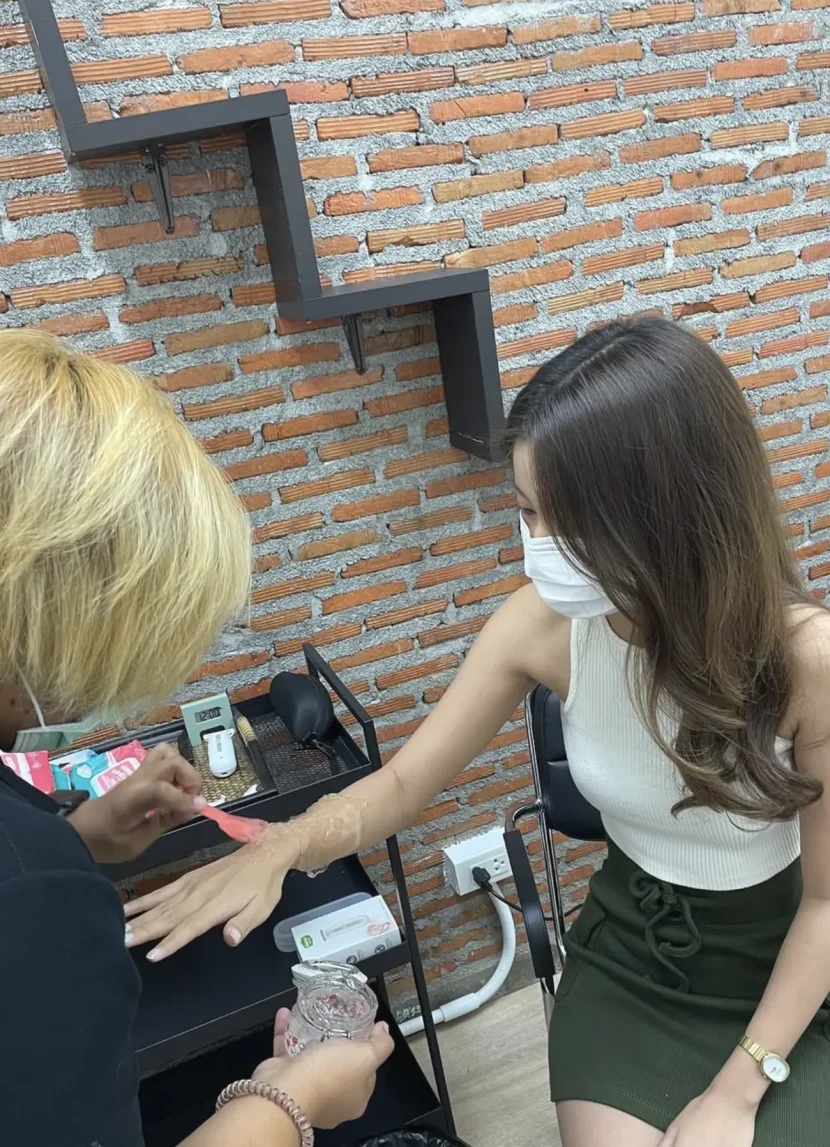
Is learning on an IPL machine still relevant in 2026? Short answer – yeah, but only if you get a handle on where it fits into your practice, what it can really do, and most importantly, how to use it safely and with professionalism.
I’m Olha Po, owner of Cosmetic Tattoo Studio Melbourne Face Figurati, and I’ve had a ringside seat to the wild ride beauty tech has been on over the last decade. We’ve gone from pretty basic IPL hair reduction machines to really fancy laser hair removal systems with all sorts of bells and whistles – more precise wavelengths, much faster treatment times and better results. But here’s the thing – IPL hasn’t gone away. It’s just evolved into a different kind of tool.
If you’re thinking about getting trained – whether that’s a laser hair removal courses in Melbourne, a tattoo removal course or something a bit broader – let’s take a closer look, without all the hype or outdated advice.
Contents
- 1 Why IPL Still Exists In Modern Clinics
- 2 How Light-Based Technology Has Progressed
- 3 What This Means For Students
- 4 Where IPL Still Adds Value In Practice
- 5 Limitations You Need To Understand Early
- 6 What Quality Training Actually Covers
- 7 Melbourne Conditions That Affect Results
- 8 Compliance, Safety, And Professional Responsibility
- 9 Cost Reality In Melbourne (2026)
- 10 Should IPL Be Part Of Your Skill Set?
- 11 Final Thoughts From The Studio
- 12 FAQs
Why IPL Still Exists In Modern Clinics
In 2026, IPL is still used in clinics across Australia, especially in places that handle a lot of entry-level work or offer a wide range of services. It hasn’t disappeared completely – but it’s no longer the go-to for results-driven work.
As someone who’s been around the Melbourne clinic block a few times, here’s what I’ve seen:
- It works pretty well on people with lighter skin types (especially Fitzpatrick I skin).
- It’s often used for maintenance treatments or lighter regrowth.
- It can support services like pigmentation correction and ingrown hairs.
IPL machines work with broad-spectrum light – so the energy spreads across the treatment area rather than precisely targeting one structure.
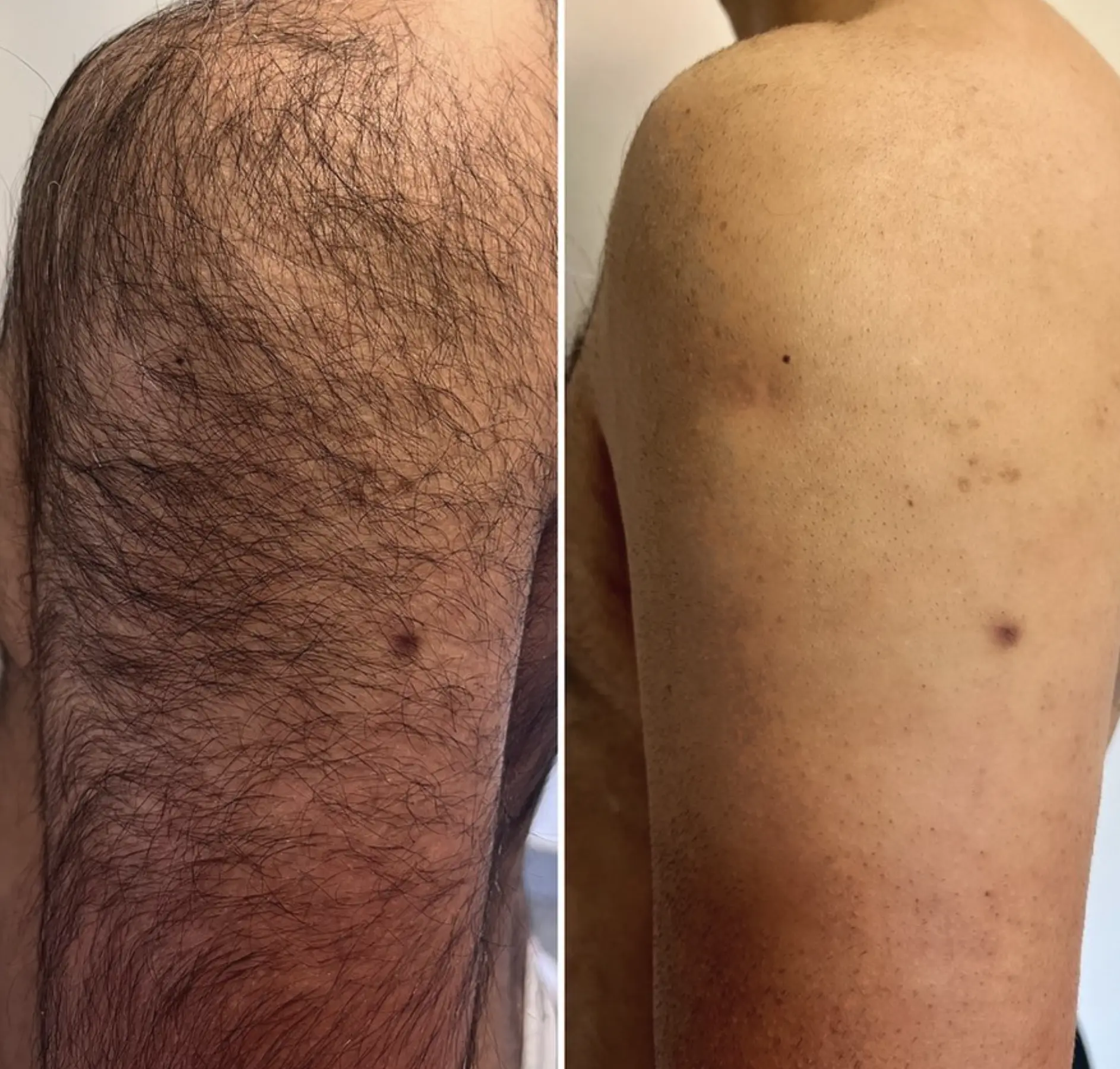
At Cosmetic Tattoo Studio Melbourne Face Figurati, I see many clients who’ve tried IPL hair removal elsewhere and didn’t get the results they expected. Not because the tech itself is good or bad, but because of unrealistic expectations.
How Light-Based Technology Has Progressed
Technology has evolved significantly, and this is where training decisions really matter.
| Feature | IPL Devices | Modern Laser Systems |
|---|---|---|
| Light Type | Broad-spectrum light technology | Monochromatic lasers |
| Precision | Lower | High |
| Target | Hair shaft + pigment | Hair follicle |
| Mechanism | Diffused heat | Selective photothermolysis |
| Skin Suitability | Limited | Wider range |
| Safety Tools | Basic | Cooling systems, skin-tone sensors |
| Monitoring | Minimal | Digital monitoring tools, melanin meters |
What This Means For Students
When you’re enrolling in a laser hair removal course in Melbourne, you’re likely to learn about both IPL and laser systems.
At a basic level, that means:
- IPL builds foundational knowledge of how light interacts with melanin
- Laser training develops precision using selective photothermolysis
We often meet therapists who’ve been trained just on IPL and then struggle when moving into more advanced devices or treatments like laser tattoo removal.
Where IPL Still Adds Value In Practice
IPL still has value – especially when used strategically.
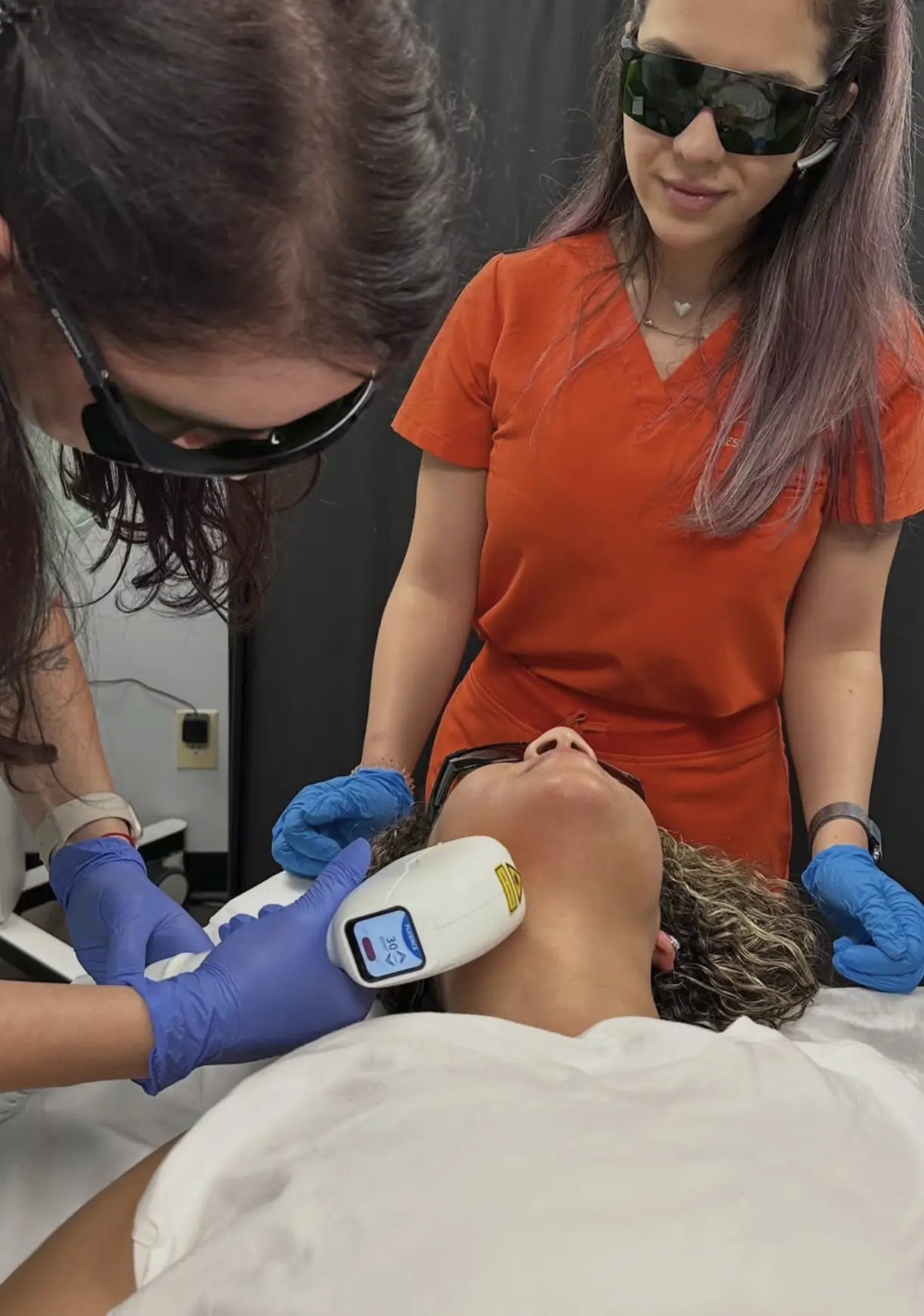
For new students, it’s often a starting point – many courses include IPL to teach treatment planning, energy settings, and how different skin types respond.
In clinics, it can act as a supporting treatment, particularly for maintenance sessions after more intensive programs.
It can also suit clients who prefer a more gradual approach or lower-cost entry into treatments.
Limitations You Need To Understand Early
This is where real experience comes in.
IPL is not designed to perform like an advanced laser system, and misunderstanding this leads to poor outcomes.
It can struggle with deep hair follicles, especially in cases of hormonal hair growth. It also requires caution with darker skin tones due to higher risk of irritation or pigment changes.
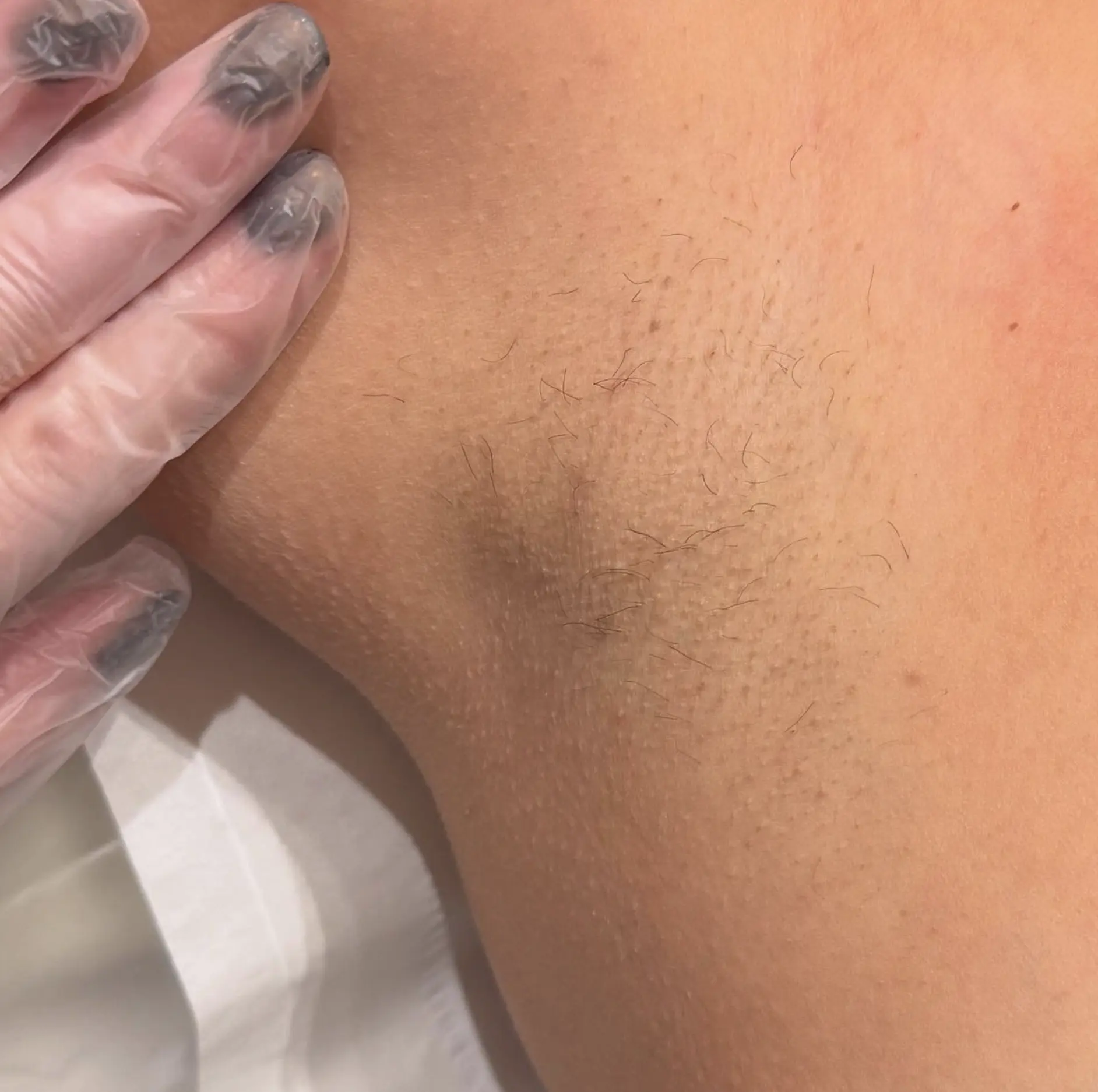
I had a client who’d had multiple sessions elsewhere with almost no results. After reassessment, it was clear the method didn’t match the client – not a failure of the tech, just the wrong approach.
What Quality Training Actually Covers
If you’re investing in education, the fundamentals matter more than the device.
Core Knowledge Areas
- IPL technology and device safety
- Skin temperature monitoring
- Fitzpatrick skin typing
- Infection control and client care
- Post-treatment protocols
- Safety features and treatment adjustments
Why This Matters Long-Term
A strong foundation helps you:
- Assess skin correctly
- Adjust treatments safely
- Manage expectations
Melbourne Conditions That Affect Results
Living in Melbourne means treatments must account for climate conditions and seasonal changes.
In summer, high UV exposure increases skin sensitivity, requiring strict sun protection. In winter, treatments are more predictable and safer.
Clients are also highly informed – they expect clear explanations about safety, suitability, and results.
Compliance, Safety, And Professional Responsibility
IPL is not risk-free – it still requires proper training and compliance.
In Australia, practitioners must follow medical device regulations and consumer safety standards.
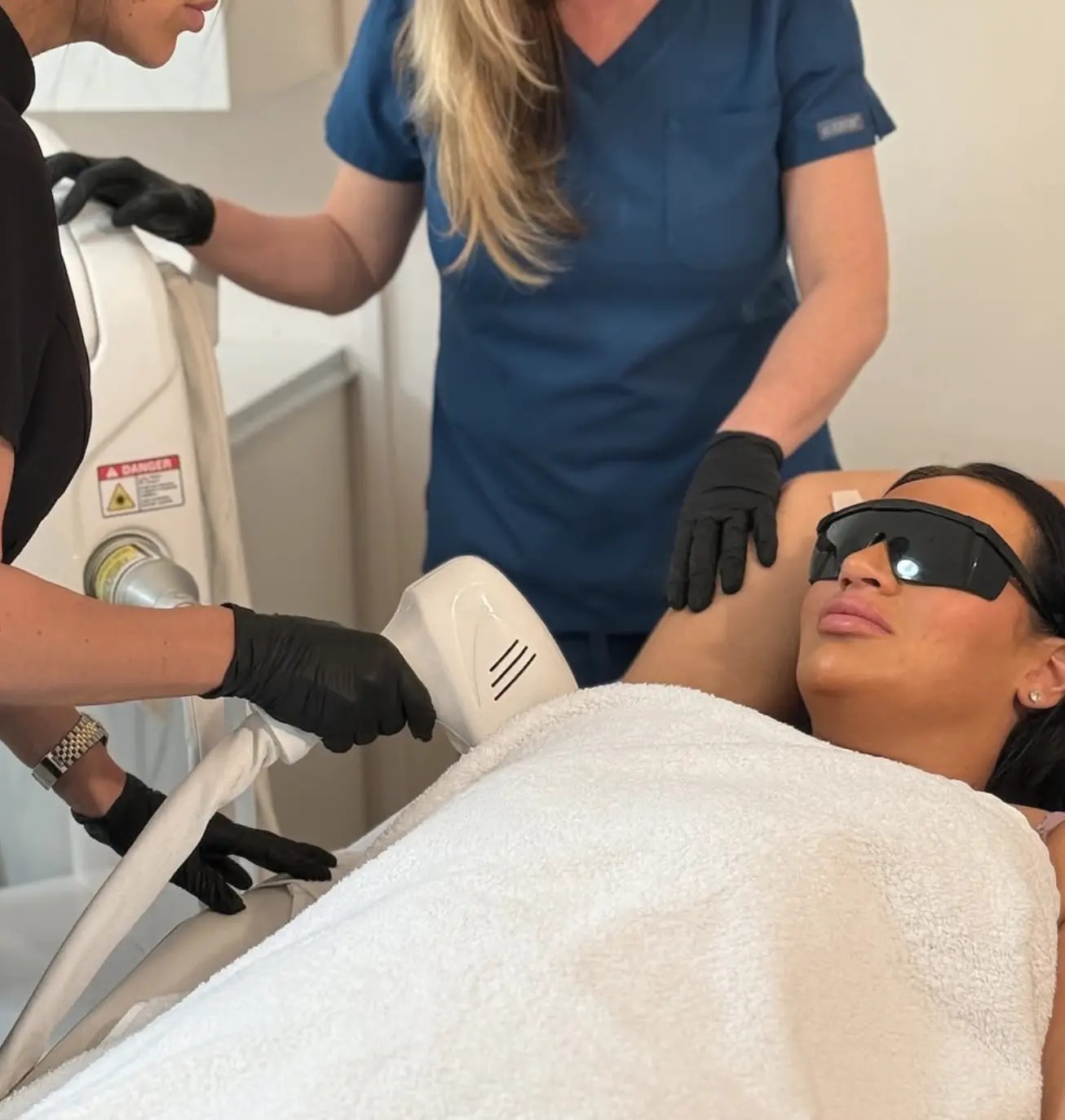
Modern IPL devices include cooling systems, skin tone sensors, and monitoring tools – but they only work if the operator understands how to use them properly.
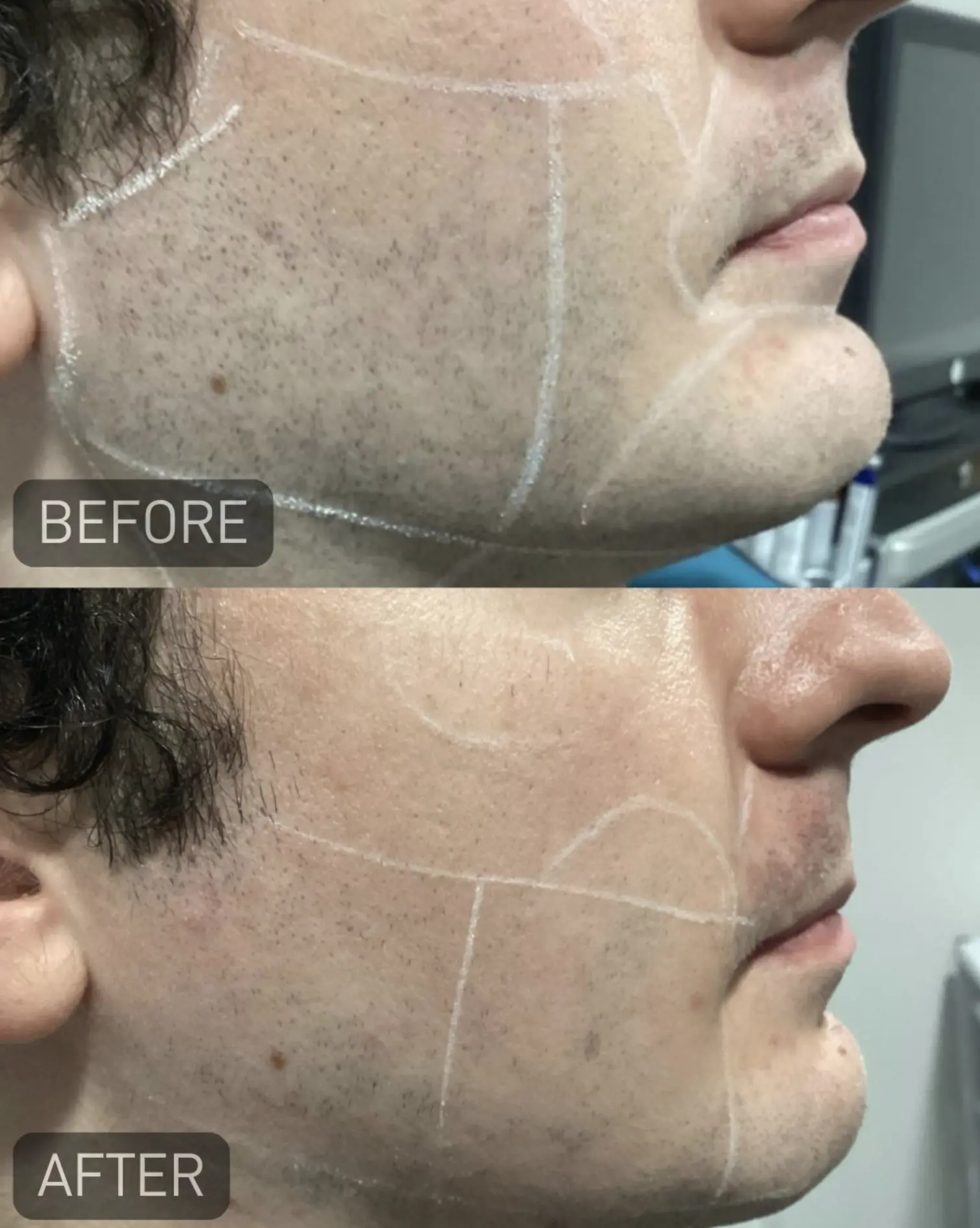
At Cosmetic Tattoo Studio Melbourne Face Figurati, we prioritise clinical-level care, strict protocols, and client safety at all times.
Cost Reality In Melbourne (2026)
Understanding costs helps guide your career decisions.
Training Investment
- IPL training: AUD $1,500 – $4,000
- Laser training: AUD $4,000 – $10,000+
Equipment Investment
- IPL devices: AUD $10,000 – $30,000
- Advanced systems: AUD $50,000 – $150,000+
IPL remains popular as an entry-level investment due to its lower cost.
Should IPL Be Part Of Your Skill Set?
IPL is worth learning – but it shouldn’t be your final destination.
For beginners, it provides a strong foundation in light-based treatments and skin assessment.
But for delivering high-level results across all skin types, you’ll need to move beyond IPL alone.
Final Thoughts From The Studio
IPL hasn’t disappeared – it’s just no longer the primary technology.
In 2026, the best practitioners understand both IPL and advanced laser systems, and focus on proper assessment and treatment planning.
At Cosmetic Tattoo Studio Melbourne Face Figurati, the difference is clear: those who invest in education and truly understand skin deliver better results.
If you’re serious about this industry, focus on knowledge first – the technology will follow.
FAQs
Does IPL still get used in clinics today?
Yes – it’s commonly used for entry-level services, maintenance, and specific skin concerns.
Who’s the best candidate to get this treatment?
Clients with lighter skin and darker hair tend to get the best results.
Can this sort of treatment give you long-term hair reduction?
It can provide some hair reduction, but results are less consistent than laser systems.
Does training on this tech help with career progression?
Yes – it builds foundational knowledge for moving into more advanced treatments.
Are home-use devices as good as what you’d get in a clinic?
No – at-home devices are lower powered and lack professional monitoring tools.