
How many needles for a fine line tattoo? It’s one of those questions we get asked all the time in the studio — usually from first-timers who have scrolled through endless Instagram reels of fine line designs before finally deciding to book in. The short answer? It depends. The long answer (and the one that really matters) is all about your tattoo artist, your skin, your design and the equipment used.
At Cosmetic Tattoo Studio Brisbane Face Figurati, we specialise in creating precise, lasting body art — from brows to fine line work. In this article, written by Olha Po, we will break down the tattoo needles, needle groupings and techniques of fine line tattooing so you can make informed decisions before sitting in the chair.
Contents
What is Minimalist Tattooing
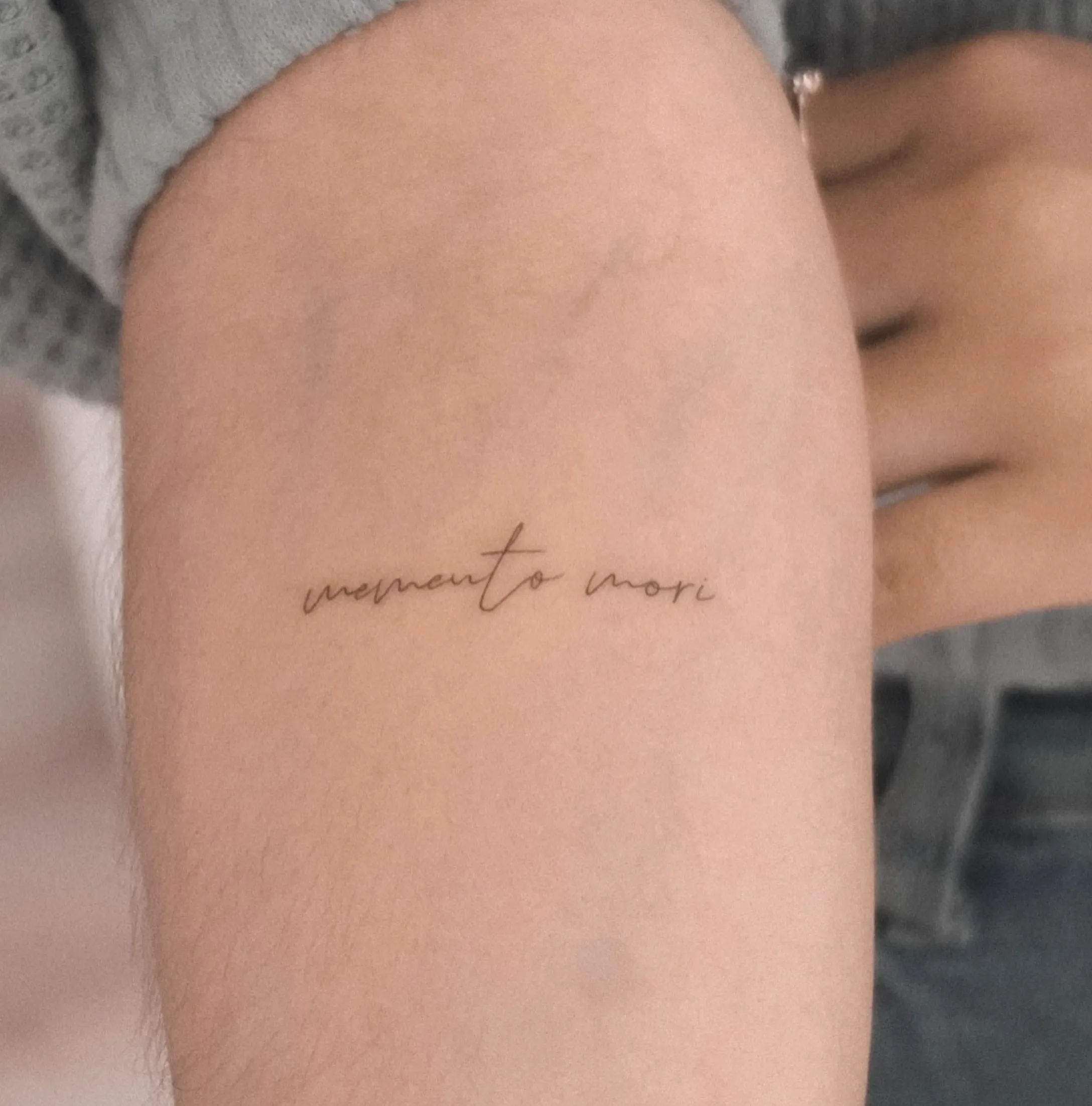
Fine line tattooing isn’t just another tattoo style — it’s a discipline. Instead of bold traditional tattoos with thick outlines and solid fills, fine line tattoos use reduced groupings, such as a one round liner needle to achieve razor sharp detail. That’s why so many clients choose them for micro tattoos, intricate designs and subtle personal expression.
A skilled fine line tattooist doesn’t just pick a random needle. They consider ink flow, skin tone effects and healing response before making the call. That’s why training matters and why demand for fine line tattoo courses has increased in recent years — new artists want to master the technique before putting it on skin.
Needle Configurations and Groupings Explained
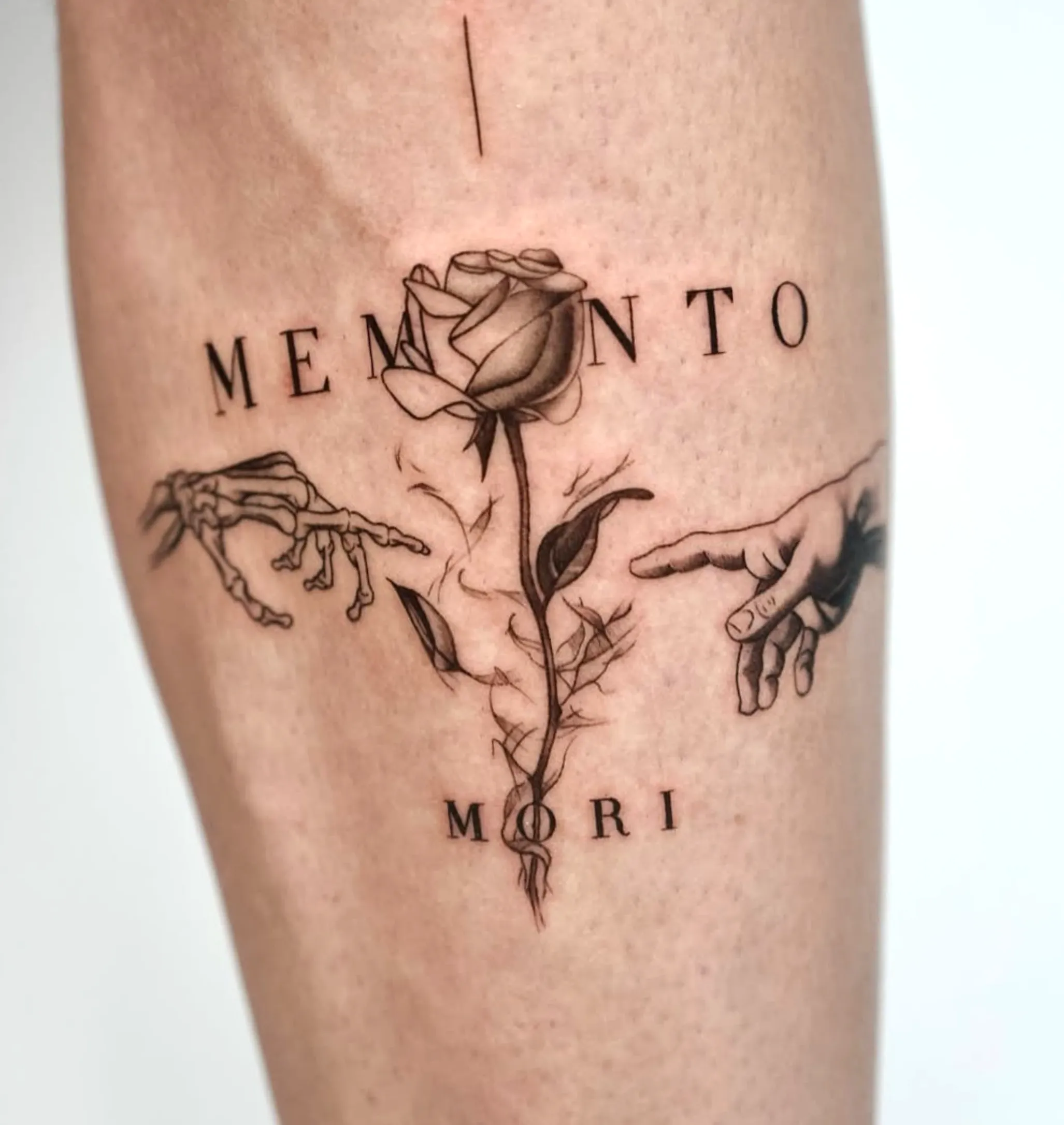
Here’s a closer look at how different needles are used in fine line tattooing:
| Needle Type | Grouping | Typical Use | Benefits for Fine Line |
| 1RL (One Round Liner Needle) | Single needle | Ultra-fine line art, micro tattoos, delicate designs | Sharpest precision, perfect for small scripts |
| 3RL (Three Round Liner Needles) | 3 tightly grouped | Intricate designs needing durability | Balances ink flow and line longevity |
| 5RL (Five Round Liner Needles) | 5 grouped | Slightly thicker outlines, larger tattoos | Stronger pigment saturation, reduced fading |
| 7RL (Seven Round Liner Needles) | 7 grouped | Bolder fine line tattoo outlines | Useful for geometric patterns and shading |
At Cosmetic Tattoo Studio Brisbane Face Figurati, we often choose 1RL or 3RL depending on whether the client wants ultra-thin scripts or stronger linework. It’s a balance between aesthetics and long-term healing.
Tattoo Technology and the Tattooist
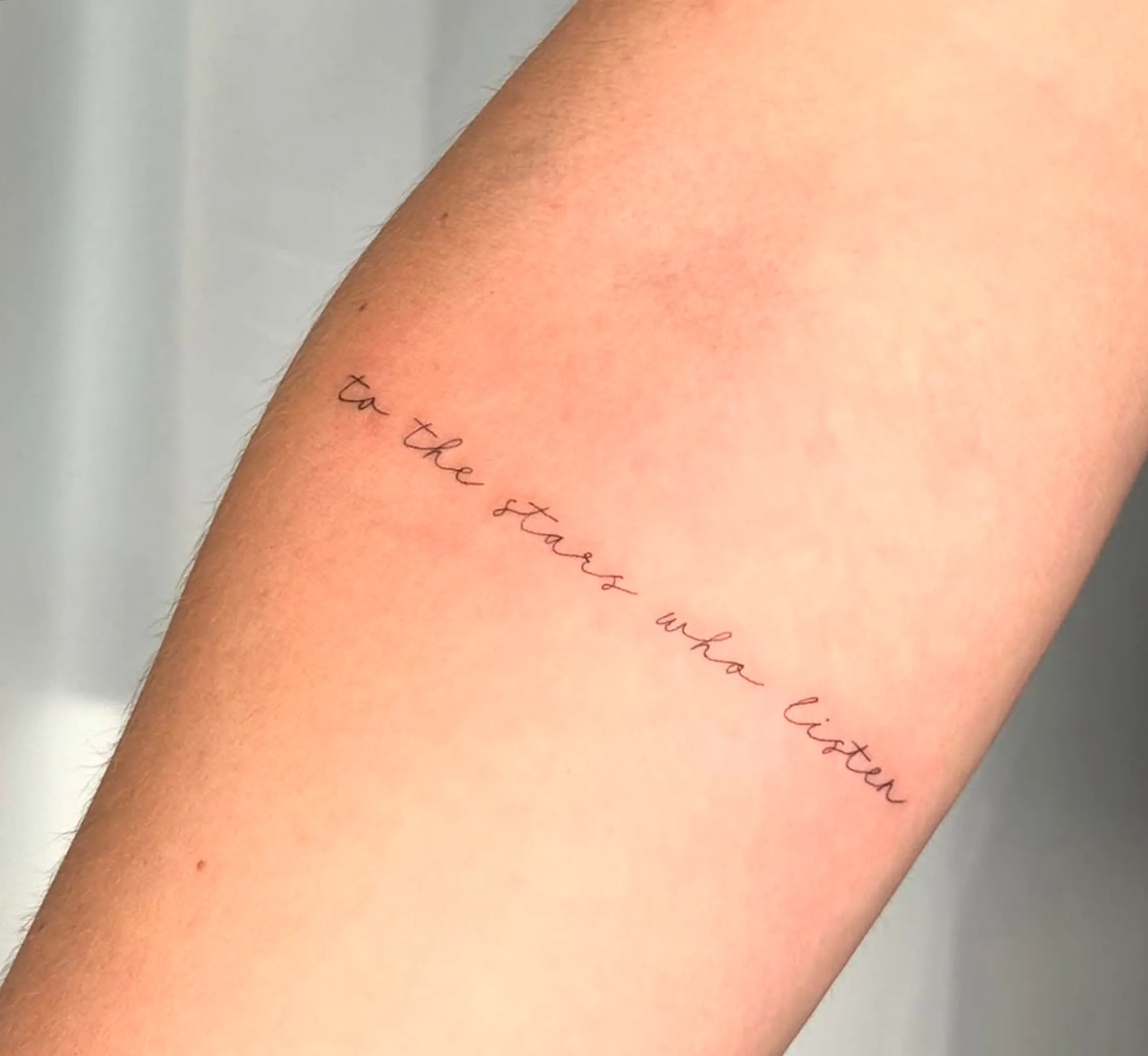
The difference between a smooth, crisp tattoo and one that fades too quickly often comes down to technology and the tattooist’s skill. Many fine line tattooists prefer tattoo pen machines for delicate designs because they provide better control and consistent ink depth. Traditional tattoo machines still have their place, especially in bold tattoo styles, but fine line tattooing benefits from modern tattoo pen machines paired with quality cartridges.
This is why artists often do a fine line tattoo course to refine their contact technique, learn about needle packet choices and understand how tube size and power supplies affect ink depth. The better the training, the more confident you’ll be in the result.
Healing and Skin Tone Effects
Fine line tattooing creates amazing designs, but the healing process is delicate. Because ink is deposited with minimal trauma, the results can appear faint if not cared for properly.
- Fair skin: crisp black ink and grey gradients stand out.
- Olive skin: slightly larger groupings may be used to avoid fading.
- Dark skin: fine line tattooists often adapt shading with greywash ink to maintain visibility.
This is exactly why professional training through fine line tattoo courses is so important. Every skin tone requires its own approach.
Studio Stories: Brisbane Examples
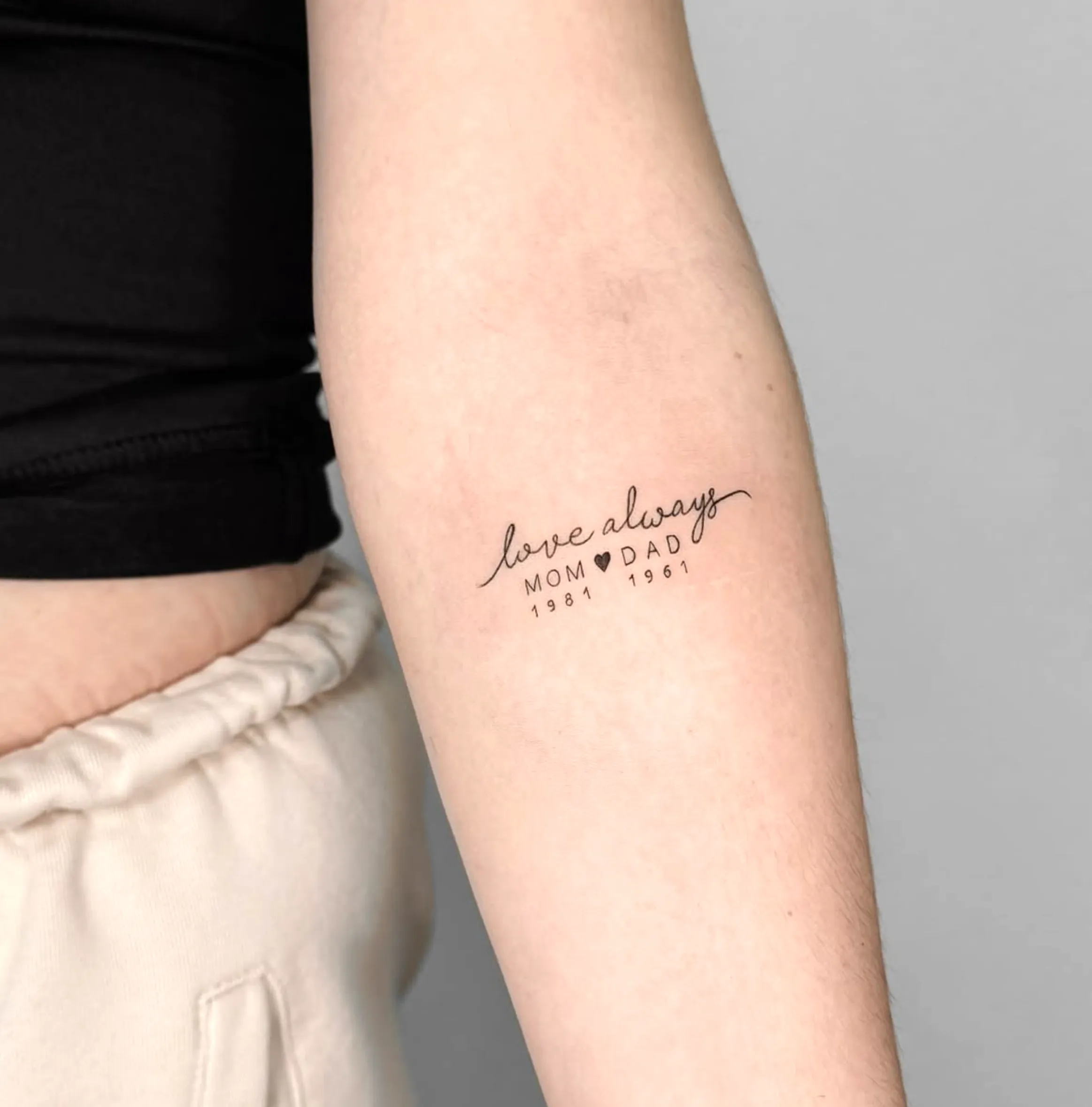
At Cosmetic Tattoo Studio Brisbane Face Figurati, we recently worked on a client who had a previous fine-line tattoo done overseas that faded quickly. The original artist used a single needle without considering her oily skin. To refresh the piece, we used a 3RL configuration — giving the line art more staying power without sacrificing delicacy.
We also have apprentices doing a structured fine-line tattoo course in our studio. Watching them transition from bold linework practice to intricate geometric patterns is proof of how much skill and discipline fine line tattooing requires.
Training and Professional Standards
Not every tattoo artist is a fine line tattooist. The apprenticeship process is long and requires attention to ink flow, standard taper options and proper contact technique. That’s why structured fine line tattoo courses are in demand — they give emerging artists the foundation they need to handle delicate designs responsibly. We teach students about needle groupings, tube size and how tattoo technology works.
Final Thoughts
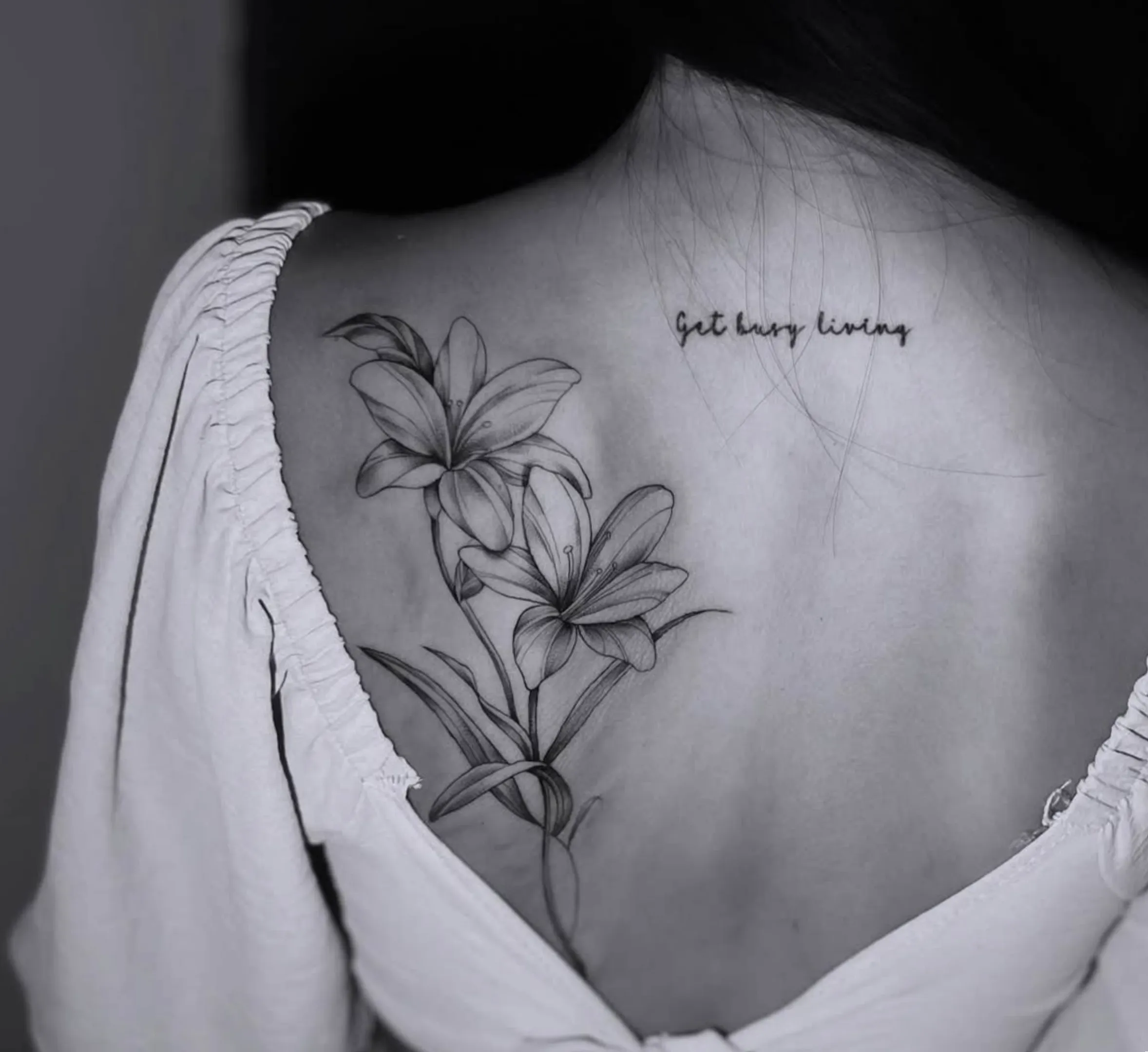
A fine line tattoo may look simple, but behind every clean line is an artist balancing ink depth, equipment and technique. Whether your tattooist uses a 1RL or a slightly larger grouping, the decision determines how your design heals, ages and expresses your personal style.
If you’re thinking of getting one, trust professionals who understand the subtleties of fine line tattooing. At Cosmetic Tattoo Studio Brisbane Face Figurati, we’ve built a reputation for safe practice, delicate designs and long-term results — and we pass that on to our fine line tattoo courses for new artists.
FAQ
Do fine line tattoos always use a single needle?
No. A fine line tattooist may use 3RL or 5RL, depending on skin type and design.
What’s the difference between a tattoo artist and a fine line tattooist?
A tattoo artist may work in all tattoo styles, while a fine line tattooist specialises in delicate designs and micro tattoos that require higher precision.
Why do some fine line tattoos fade faster than others?
It’s often down to skin type, ink depth and whether the tattooist balanced the right needle groupings with the right technique.
How can someone learn fine-line tattooing professionally?
Enrolling in a fine line tattoo course is the way to go. These courses cover everything from needle packet safety to tattoo pen machines and ink flow management.
Are fine line tattoo courses only for beginners?
No — many experienced tattooists take fine line tattoo courses to hone their skills, learn new tattoo technology and expand their tattoo design offerings.