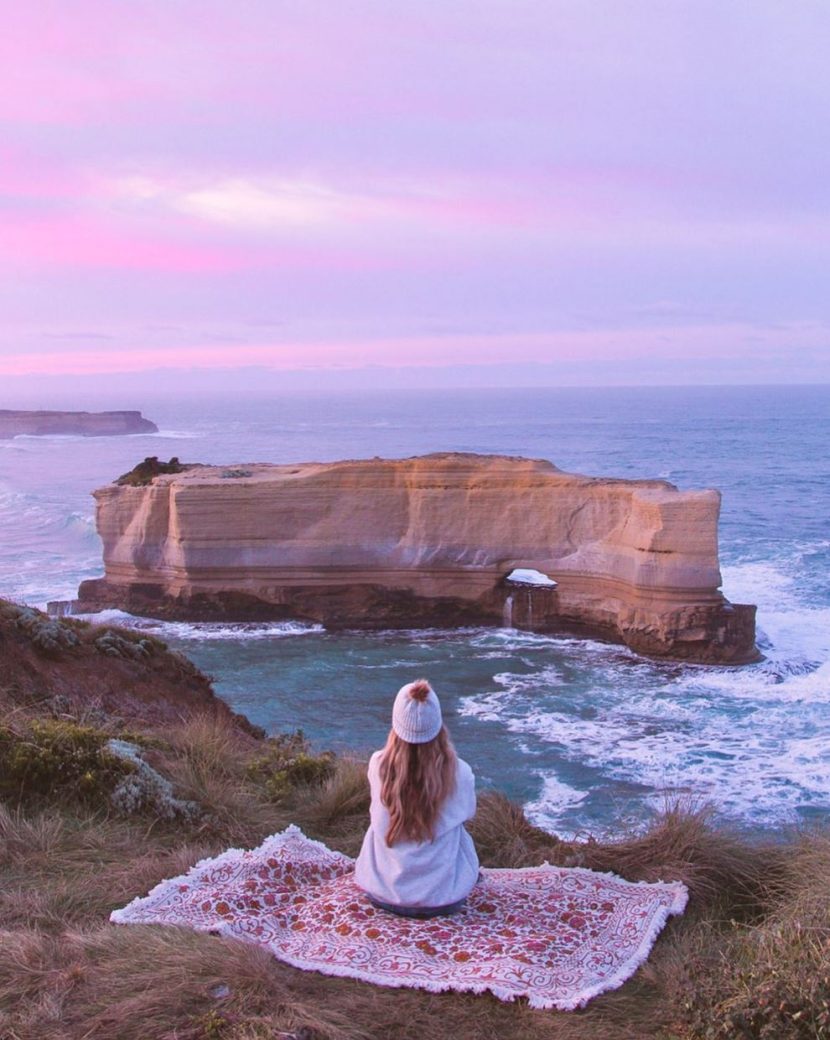
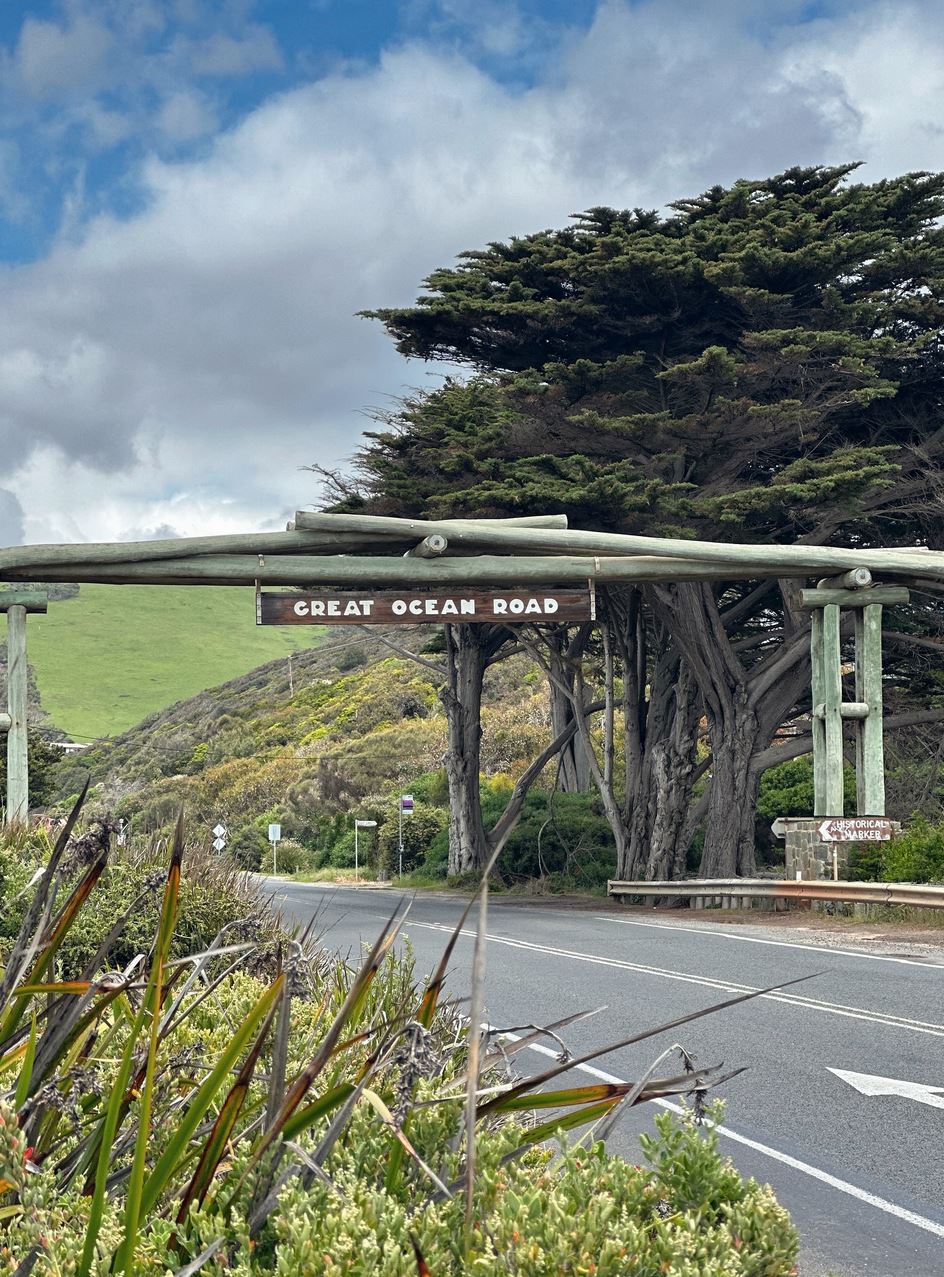
Great Ocean Road – Take The Road Less Travelled Or Stick To The Coast? I get asked that question all the time as I’m pumping my 4WD with petrol at the servo &. My ultra short, no-nonsense answer is this: if you’re looking for the famous coastal stops, shorter driving stints and a decent dose of tourist infrastructure, keep trucking down the coast, while if you prefer rainforest glades, waterfalls, remote campsites and a more laid back pace, head off into the bush – Great Otway National Park is waiting for you.
Read on – I’ll fill you in on some realistic timing estimates, the mistakes I’ve made so you don’t have to, which roads to use and which to avoid, how much it’ll cost you in Aussie dollars, and a few quick tips on how to make the right call for your time and vehicle, courtesy of yours truly.
Contents
- 1 Choosing The Right Road
- 2 Sticking To The Coast: See The Famous Spots Quickly
- 3 Inland Option: Rainforest, Waterfalls And Quiet Camps
- 4 Quick Table You Can Use At The Servo
- 5 Logistics: Access, Parking, Fuel & Return Options
- 6 Safety, Seasonality and What’s Really At Risk
- 7 Costs – Rough Expectations
- 8 Expectation vs Reality – A Hard Reality Check
- 9 Scenario Planning for the Impatient
- 10 Things to Keep in Mind Before You Set Off
- 11 Who This Is For – And Who May Want to Reconsider
- 12 Some Honest Advice for Those Who Know Better
- 13 Final Bits of Advice
- 14 FAQ
Choosing The Right Road
Make the choice that fits the trip you actually want, not the one that looks most impressive on Instagram. If you’re looking for as many viewpoints as possible with minimal walking, then stick to the sealed coastal highway through Apollo Bay to Port Campbell and Loch Ard Gorge. On the other hand, if you’re after a quiet campsite, some waterfall chasing and a stretch of the Great Ocean Walk through the bush, then head inland into the Otways. It’s all about fit, really.
Sticking To The Coast: See The Famous Spots Quickly
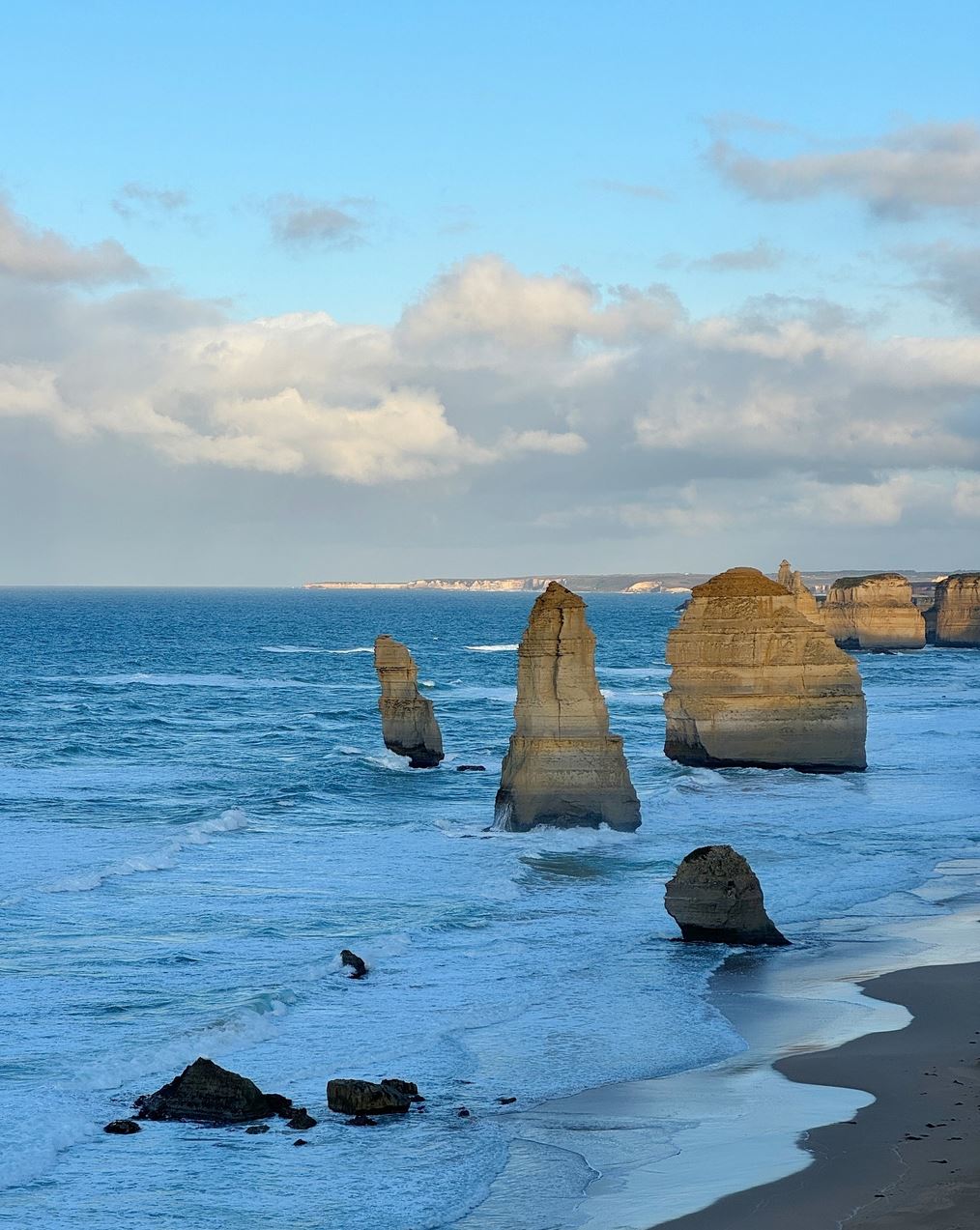
Stick with the coastal route if short driving stints, visitor facilities and classic viewpoints like the Twelve Apostles, London Arch and London Bridge, and Loch Ard Gorge are what’s got you excited. It’s the fast track to getting those famous photo ops, cafes and regular servo stops – Apollo Bay is where you can refuel and grab a bite in one convenient stop. Fun fact: about 6-7 million people visit the Great Ocean Road region every year, with over 2 million of those alone heading for the Twelve Apostles precinct. With numbers like that, you can bet the main lookouts will be packed.
What most people get wrong: they reckoned without the queues at peak sunrise times and ended up driving past the parking spots reserved for coaches. If you’re on a tight schedule, factor in 20-45 minutes at the major lookouts for a walk, some snaps and navigating the crowds.
Some actual timings to give you an idea (not just pie-in-the-sky estimates):
- Lorne to Apollo Bay: reckon on 1-1.5 hours, including one coffee break and a quick look at a viewpoint.
- Apollo Bay to Port Campbell: 2.5-3 hours if you stick to the main route, longer if you take in Loch Ard Gorge and London Arch. According to Parks Victoria, Loch Ard Gorge is just a short jump from Port Campbell – and you can easily combine that with other stops.
Inland Option: Rainforest, Waterfalls And Quiet Camps
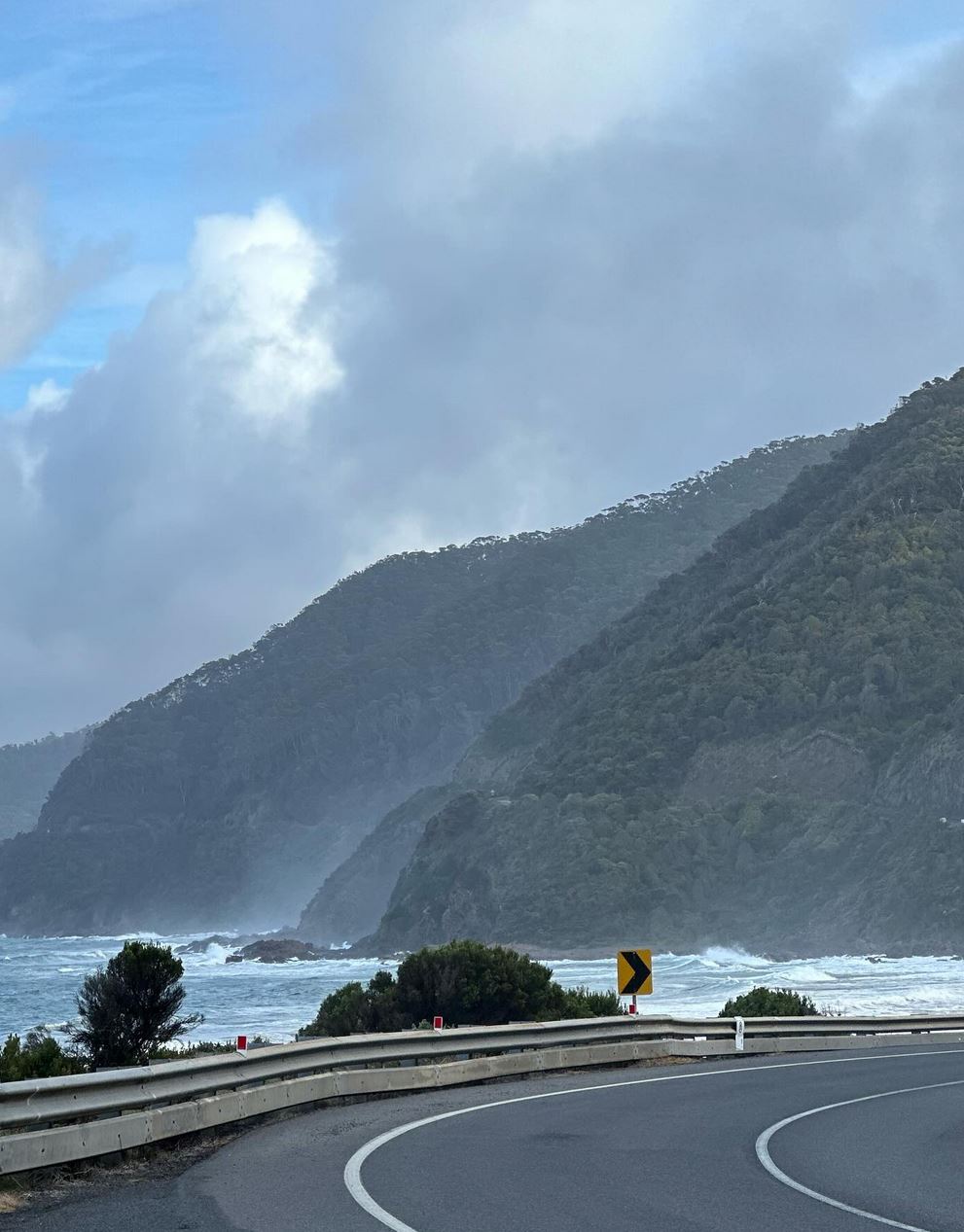
Turn inland at Skenes Creek if you want quieter tracks, rainforest boardwalks like Maits Rest, and proper bushwalking in Great Otway National Park. The reward is slower travel, the smell of wet fern and the chance to see native plants and forest wildlife. Maits Rest is a short, well-made boardwalk that gives you an immediate feel for the Otways — it’s compact, accessible and a high-value stop.
What catches people out: some inland roads (C119/C159) are narrow and can be single-lane in places — they’re fine for cars and small campers but awkward for long caravans or buses. If you’re towing, check signage and stick to the main sealed connectors; Colac is your inland service hub for fuel.
Practical inland timings (real-world):
Apollo Bay → Maits Rest: ~20–30 minutes driving; allow 45–90 minutes on-site for the walk and wildlife spotting.
Maits Rest → Triplet Falls / Beech Forest: allow 1–1.5 hours, including short walks. Road surfaces and weather will slow you down.
Quick Table You Can Use At The Servo
| Feature | Coastal Route (via Apollo Bay → Port Campbell) | Inland Route (via C119/C159 → Beech Forest / Colac) |
|---|---|---|
| Typical Driving Pace | Faster sealed roads; predictable | Slower; narrow passes possible |
| Key Highlights | Apollo Bay, Great Ocean Walk access points, Loch Ard Gorge, London Arch | Maits Rest, Triplet Falls, forest walks, native plants |
| Parking & Services | Multiple carparks & petrol stations; easy access | Smaller carparks; petrol in Apollo Bay/Colac only. Plan fuel. |
| Suitability for Long Vehicles | Generally fine on main road | Some sections unsuitable for long caravans |
| Best For | Quick photo stops, surf culture, easy logistics | Walkers, families after quiet camps, birdwatchers |
Logistics: Access, Parking, Fuel & Return Options
Getting there
The coastal route is the best option if you’re coming from Melbourne – the Great Ocean Road is a sealed road that hugs the coast. If you’re short on time, take the Princes Highway via Colac – it’s a bit quicker to Port Campbell. But let’s be honest, the coastal route is the way to go.
Parking and access
Car parks are plentiful, with main attractions having clear signposting for parking spots. It’s a good idea to park up in the main lot rather than taking up space on the side of the road. The visitor carparks at Loch Ard Gorge and the Port Campbell precinct are the best, and if you’re heading to Maits Rest, there’s a small but serviceable carpark just alongside the boardwalk.
Petrol
Top up in Apollo Bay (you’ve got Ampol and Mobil options) or Colac (BP, Shell and more) – don’t get caught out with low fuel out in the sticks, there’s not always much choice. Safety in numbers and all that.
Return Routes
If things go pear-shaped (and let’s be honest, they can) – a storm hits, or a road gets closed – you can always cut inland via Colac and fall back on the Princes Highway. It’s a good backup plan to have in your pocket.
Safety, Seasonality and What’s Really At Risk
Seasonality
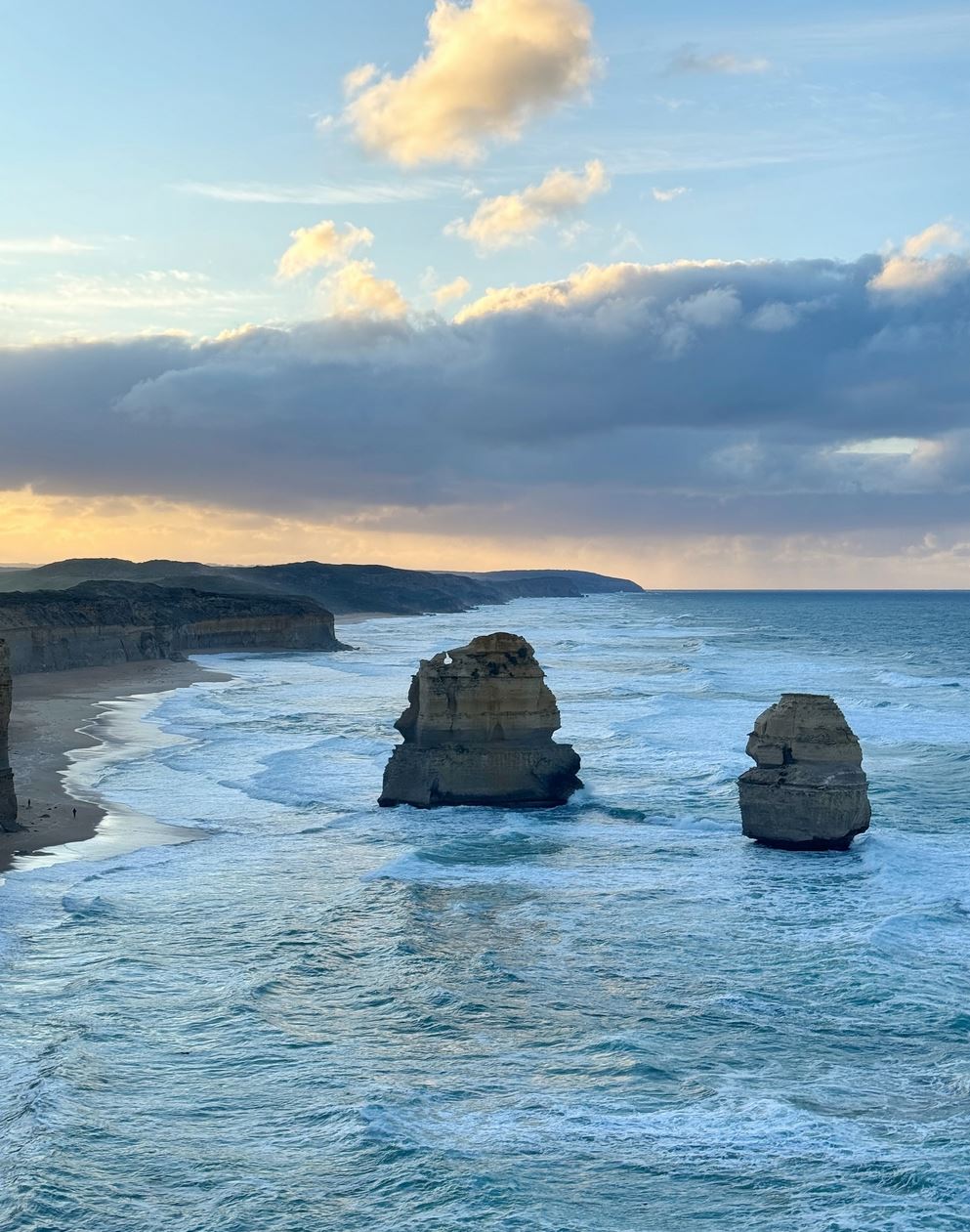
Summer is the busiest time of year, and it’s also when the bushfire risk is at its highest in hot, dry years. In the winter, the tracks can be pretty wet, and the daylight hours are short – better to go in the spring or autumn if you can. And remember – the Southern Ocean is a force to be reckoned with – don’t go into any rock pools or beaches if the signs say it’s not safe – and don’t get too cocky about sneaker waves on exposed shores.
Tides and cliffs
Stay behind the barriers at cliff lookouts and don’t get too close to the edge – the tides can be nasty and undercut cliffs are a real risk, especially at places like Loch Ard Gorge. Take note of the signs and visitor maps – they’re there for a reason.
Vehicle Risks
If you’ve got a long vehicle, you’re better off taking the sealed coastal route and choosing your fuel stops carefully in Apollo Bay and Colac. And if you’re towing a rig, be careful on the narrow spurs – and stay well away from the mud after the rain.
Short Safety Checklist
- Let someone know your route and when you think you’ll be back.
- Fill up with fuel in Apollo Bay or Colac.
- Carry the basics – a first aid kit, some water and a phone that’s properly charged (but let’s be honest, mobile reception can be dodgy in these parts).
Costs – Rough Expectations
Fuel prices vary depending on the town – you’ll get ripped off in some of the smaller places (Apollo Bay can be a bit pricey), but in the tourist towns, you’re looking at around $1.75 to $1.95 a litre, depending on the time of year.
Meals: expect to pay $18 to $35 per person at any cafe in Apollo Bay or Port Campbell.
Accommodation: budget motels and campsites start from $25 to $50 per person (if you’re camping) or $130 to $220 per room in the mid-range places – and of course, summer prices are always higher.
Guided options: a day tour from Melbourne or a private tour will cost you anywhere from $120 to $200 or more – and that’s not even counting the cost of a specialist guide or a walk with a local.
Expectation vs Reality – A Hard Reality Check
Expectation: “I’ll pull up, walk the short track and be on my way in 10 minutes.”
Reality: Its not uncommon to find long queues at popular lookouts, especially at sunrise. Be prepared to spend 30 to 60 minutes at the busier spots.
Expectation: “Inland tracks are going to be a breeze and a fast way to get there.”
Reality: Inland driving is often slower due to the narrow roads and single-lane sections. You’ll pick up on the atmosphere of the place, though, even if you don’t pick up any extra minutes.
Scenario Planning for the Impatient
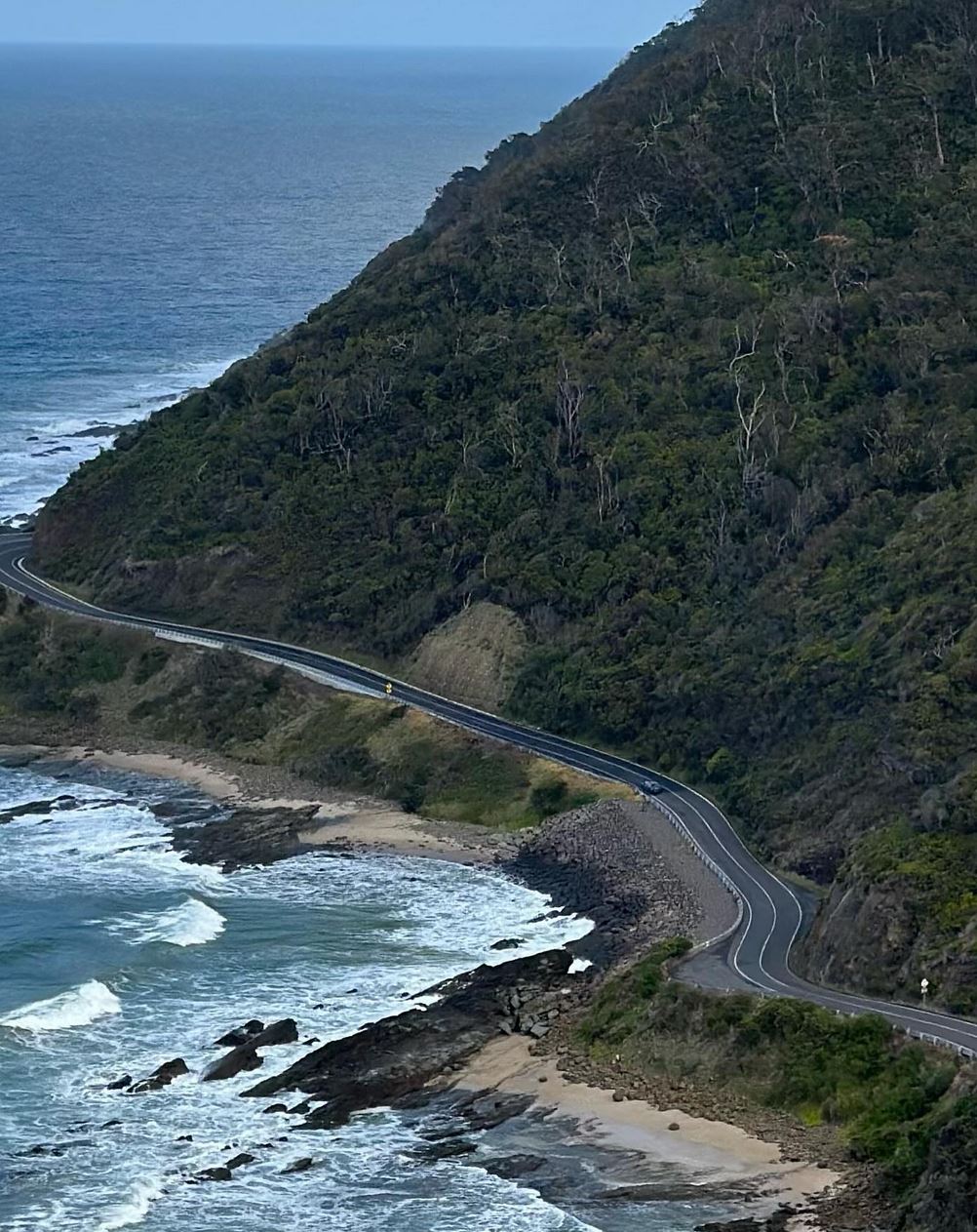
If You’re Only Got One Day: hit up the coastal highlights – get to an Apostles lookout for sunrise, grab a coffee at Apollo Bay and make a quick stop at Loch Ard Gorge. It’s a good way to get some iconic views without burning yourself out driving. If you don’t feel like driving, then consider just doing a Great Ocean Road trip.
If You’ve Got Two Days: hit up the coastal highlights on day one and then head inland to the Otways (Maits Rest, Triplet Falls) on day two for a nice change of pace. Great Ocean Road day tours often pack the coastal highlights all into a single day, so you make the most of your time.
Things to Keep in Mind Before You Set Off
Not Recommended For Beginners: Inland driving includes long, narrow, and steep sections that can be challenging for first-time caravan drivers or those uncomfortable with reversing on twisty roads.
Who This Is For – And Who May Want to Reconsider
For: walkers, families looking for some manageable walks, photographers, surf enthusiasts and travellers who just want to keep things simple or spend some quiet time in the forest.
Avoid if you’ve got a really big campervan or a long caravan and you’re planning to head inland without checking the road signs first. Or if you’re one of those people who wants to just drive, drive, drive without any breaks – inland is definitely not the place for you.
Some Honest Advice for Those Who Know Better
As someone in the industry Ive seen some trends over the years. Day trippers tend to cram the entire coastal route into a single long day and end up exhausted. On the other hand, guests who take the time to stop and spend a night near Apollo Bay and then take an inland day always rate the trip so much higher. If you want to get the best out of the place, try splitting the coast and the Otway forest between two days. For those who prefer a more guided experience, Great Ocean Road tours and many local operators offer flexible small-group options that are definitely worth a look if you want expert commentary and less stress over logistics.
Final Bits of Advice
If you want the easiest ride with all the pretty views, just stick with driving along the coast. But if you’re up for swapping those shades for some wellies and want to check out some rainforest, then do head inland. Got the time? Then do both – nothing beats watching the sun rise over the coast and then wandering through the forest later in the day. Just don’t forget to fill up on fuel in Apollo Bay or Colac, and don’t ignore those signs from Parks Victoria. And if you’re thinking of getting a local insider’s take, then a guide might be just the ticket – try local outfits like Great Ocean Road Tours or smaller operators who can take the strain off you.
FAQ
One-day road trip – which route is the quickest?
If you’ve only got a day and you still want some photo stops and don’t mind stopping off for a pee, then the sealed coastal route is the way to go.
Where do I get my fuel before heading into the wilderness?
Apollo Bay and Colac are your best bets – they’ve got fuel and the basics covered.
Are the inland walks good for families?
Yeah, Maits Rest is a great short walk that’s easy to get to and not too strenuous for the little ones… Other walks in the Otways can be a bit more challenging, so just check the difficulty level before you head out.
Weekend getaway – can I cram both coast and rainforest in?
Absolutely – just do the coastal stuff on day one and head inland for the forest on day two, and you’ll get a pretty good balance of the two.
Should I go with a guided tour or just drive myself?
If you don’t mind handing over control to someone else, then a guided tour can be a great way to get a deeper feel for the place and ditch the driving – and if you want to just sit back and enjoy the views, then that can be a definite bonus.