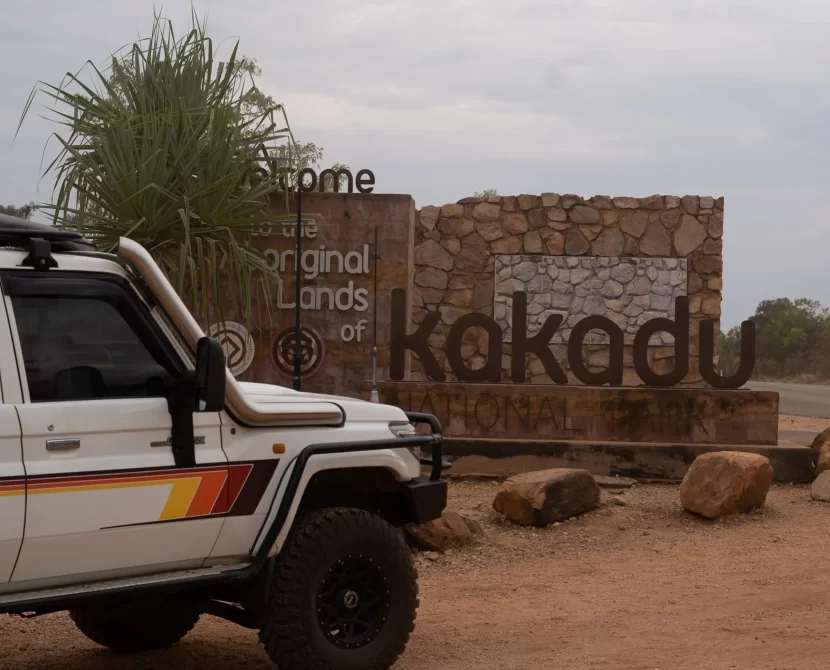
Kakadu National Park, one of Australia’s most precious heritage sites, is facing increasing threats that put its natural values, cultural values and biodiversity at risk. Located in the Northern Territory, this big block of wetlands, rivers and rocky outcrops is home to millions of waterbirds, endemic species and native species. It’s also a sacred land for Aboriginal people, with over 65,000 years of continuous culture and thousands of Aboriginal sites, rock carvings, cave paintings and archaeological sites.
Despite being an Australian conservation reserve, Kakadu is threatened by climate change, invasive species, feral animals, uranium mining and community disruption. This article looks at the impacts and what Parks Australia, park managers, Indigenous communities and the Australian government are doing to protect its natural heritage.
Contents
Climate Change and Its Effects

Kakadu’s dynamic environments are getting more vulnerable to climate change impacts with rising temperatures and erratic weather patterns affecting aquatic ecosystems, saltwater ecosystems and coastal waters. The impacts of climate change are:
- Longer dry seasons and shorter wet seasons, affecting water availability and increasing fire risk.
- Rising sea levels and saltwater incursions, threatening freshwater wetlands and pushing saltwater into tidal mudflats, tidal flats and adjacent land.
- Climate vulnerability assessments have rated Kakadu as one of Australia’s most climate vulnerable heritage sites.
The Australian government says without climate action, Kakadu’s fresh water, animal populations dependent on wetlands and abundance of freshwater plants will decline significantly.
Feral Animals and Invasive Species
Kakadu’s ecosystem is being disrupted by feral animals, invasive species and invasive weeds which outcompete native species and degrade habitats. Key threats are:
- Asian water buffalo and feral pigs which damage wetlands and increase erosion.
- Cane toads causing population decline in animal species such as goannas and quolls.
- Invasive weeds including alien plants and aquatic weeds which displace native vegetation and alter Australian ecosystems.Parks Australia, parkies and park managers.
Uranium Mining and Contaminated Water Risks
Kakadu has a long history of uranium mining, with abandoned small-scale uranium mining sites all over the park’s boundary. One of the big worries is the Energy Resources of Australia run Ranger Uranium Mine which left behind:
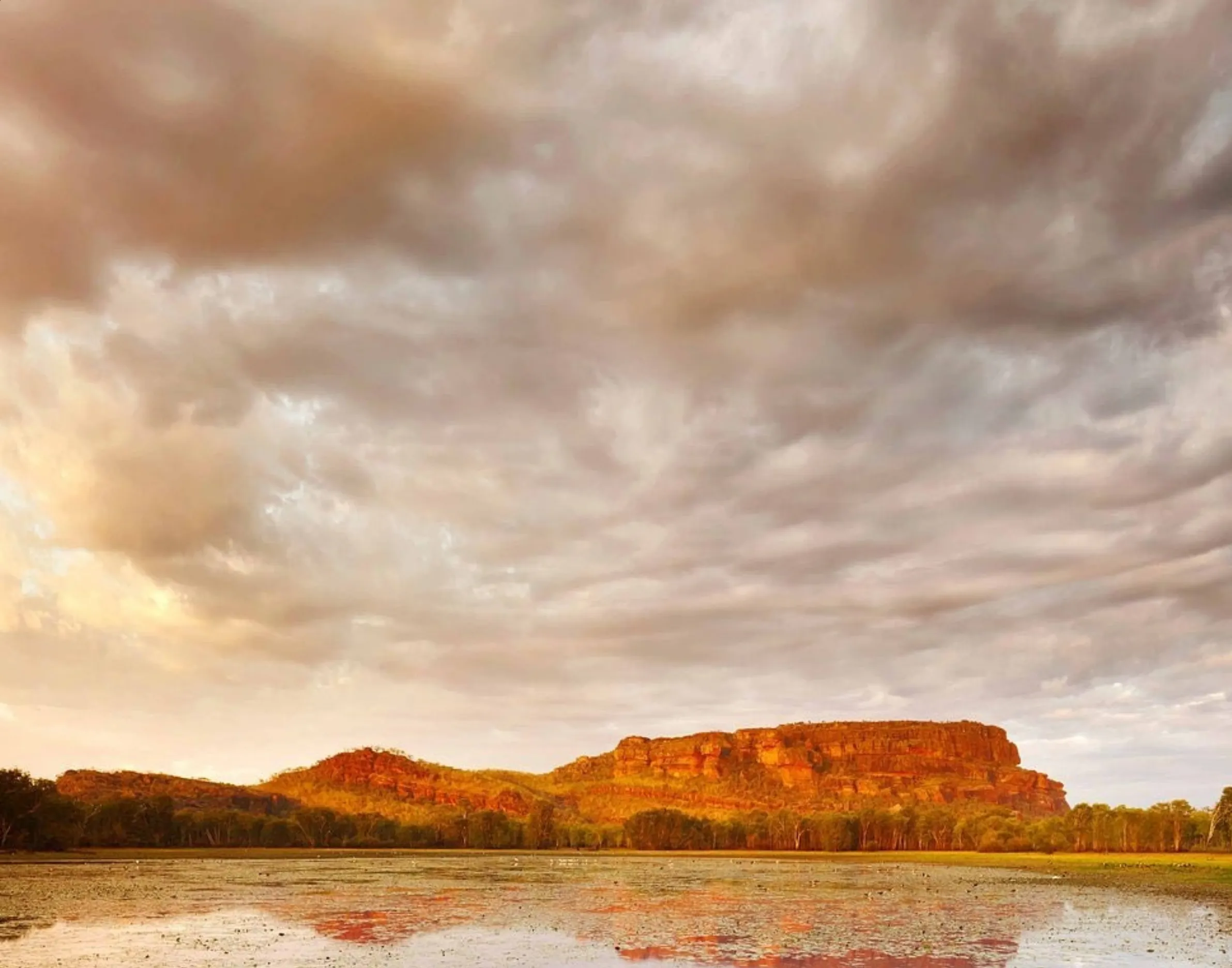
- Contaminated water leaking into surrounding fresh water and aquatic systems.
- Ongoing environmental risks even though mining is voluntarily suspended.
- Mining companies and a private company wanting to extend mining.
The Australian Conservation Foundation are deeply disappointed with the environmental damage and want stronger rehabilitation to prevent further loss of environmental values.
Threats to Aboriginal Land and Cultural Heritage
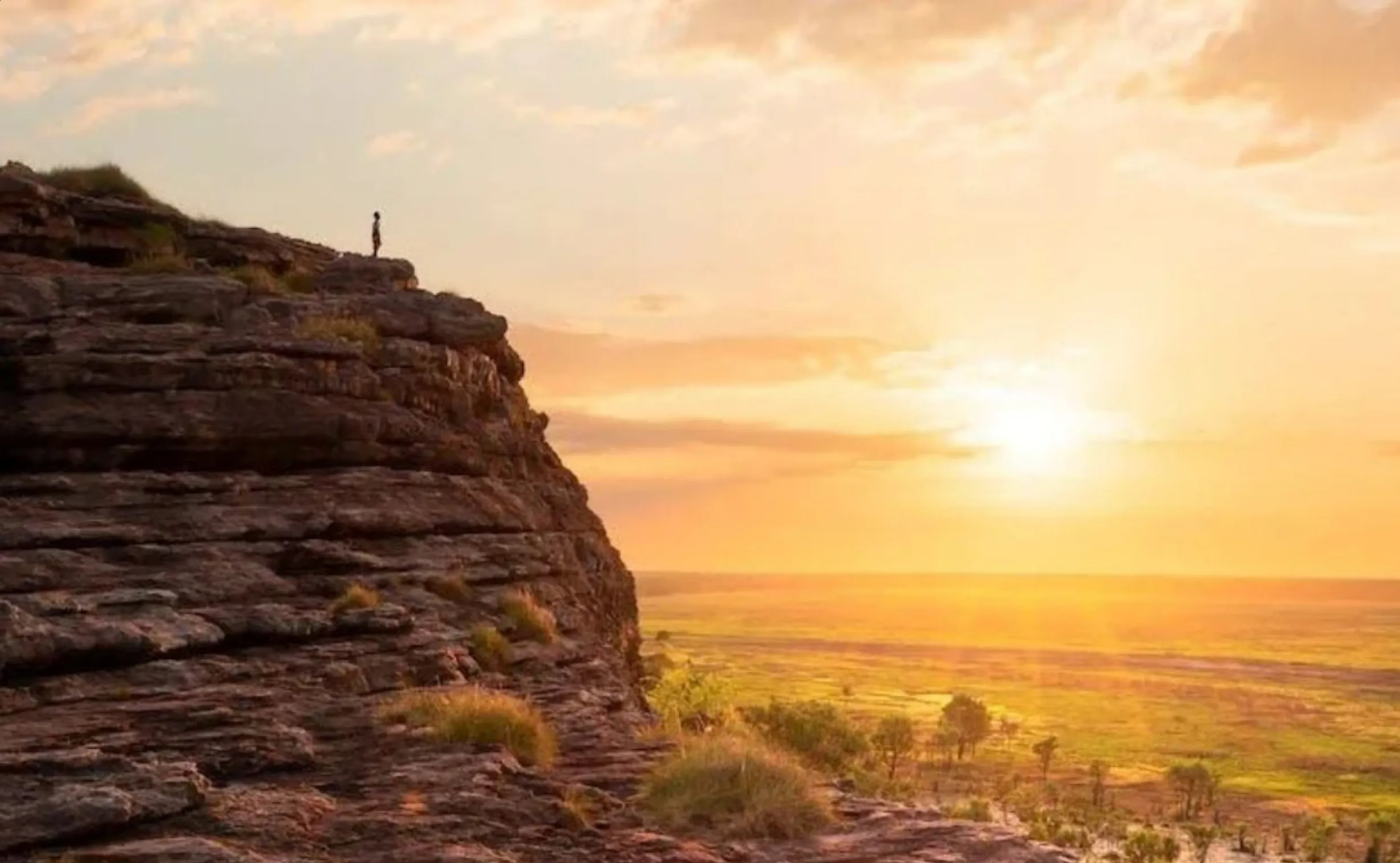
Kakadu is not just a national park—it’s Aboriginal land, co-managed by Indigenous communities and traditional owners. But cultural sites, Aboriginal rock art and camp sites are at risk from:
- Tourism pressure damaging sacred areas and cave paintings.
- Erosion of traditional knowledge as younger generations move away from contemporary community expectations.
- Non-Aboriginal people not respecting Aboriginal heritage, cultural values and contemporary cultural responsibilities.
We need a combined effort between Parks Australia, Aboriginal land owners and federal government agencies to protect Aboriginal water sources, heritage properties and cultural traditions.
Tourism, Park Management and Conservation Challenges
Kakadu is a popular tourist destination but action without approval can cause environmental damage. Trip planning advice and responsible travel are essential to minimize the impact of visitors. Conservation challenges include:
- Saltwater crocodile and freshwater crocodile management, more crocodile warning signs needed in visitor areas.
- Park ranger and park staff shortages, limiting conservation work.
- Not enough communication between the Australian government, national park managers and Indigenous communities.
If you’re planning to explore Kakadu’s big spaces, Wildlife Tours offers guided Kakadu tours from Darwin that prioritise sustainable travel and respect the park’s natural and cultural values.
A Conservation Outlook Assessment is calling for values-based conservation strategies to keep Kakadu a protected Australian landscape.
How Can Kakadu National Park Be Saved?
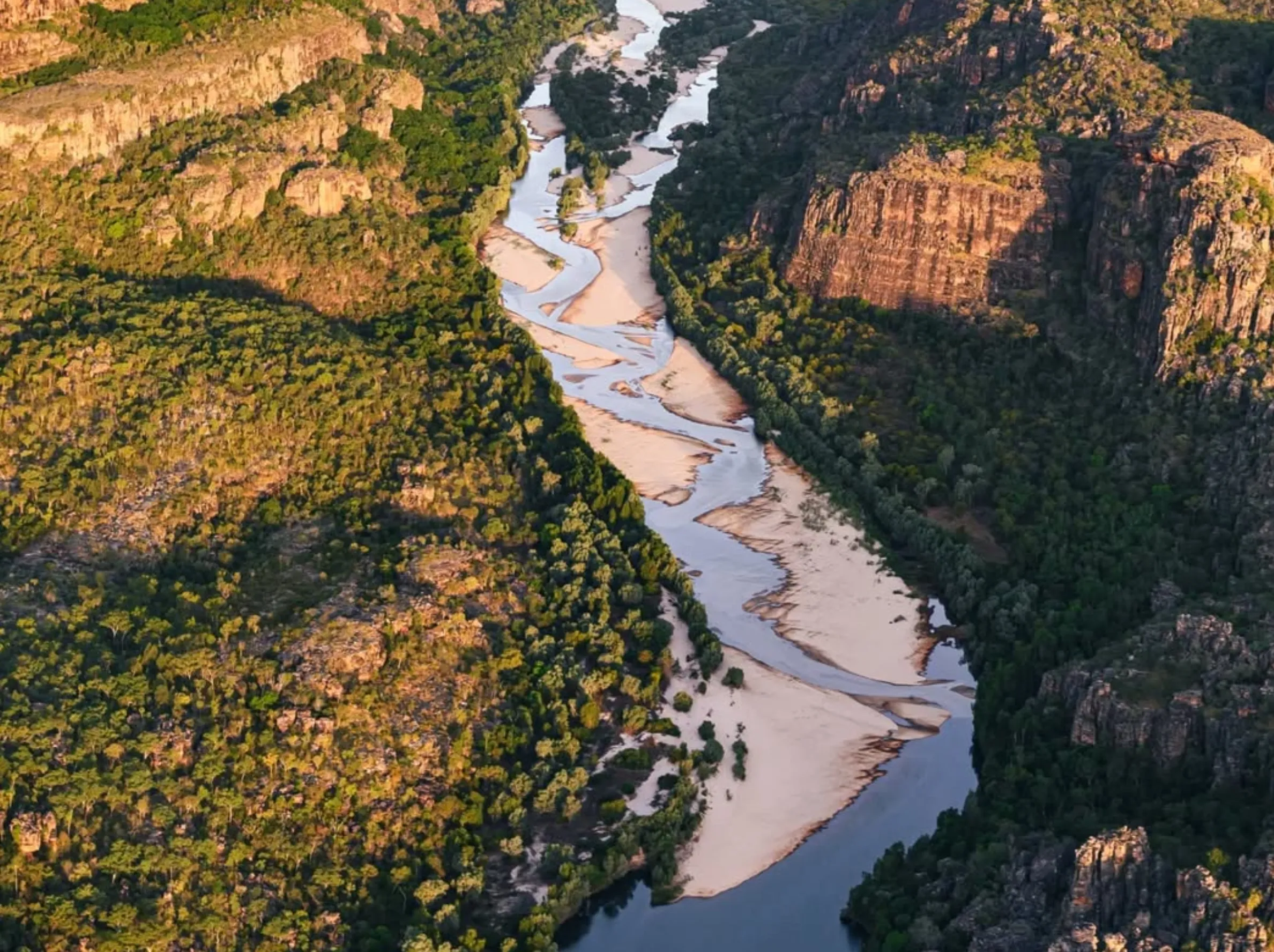
Kakadu tour is an Australian treasure but it is under threat from climate change scenarios, invasive species, uranium mining, feral animal populations and cultural site degradation. Protecting this complex of ecosystems requires:
Stronger climate science-based approaches to address climate impacts.
More support for Aboriginal communities and traditional owners to protect Aboriginal heritage.
Tighter conservation status enforcement to save animal species, endemic species and bird species.
Better park manager coordination for sustainable tourism and visitor education.
By acting now we can ensure Kakadu’s natural heritage, aquatic ecosystems and environmental values are here for future generations.
Conclusion
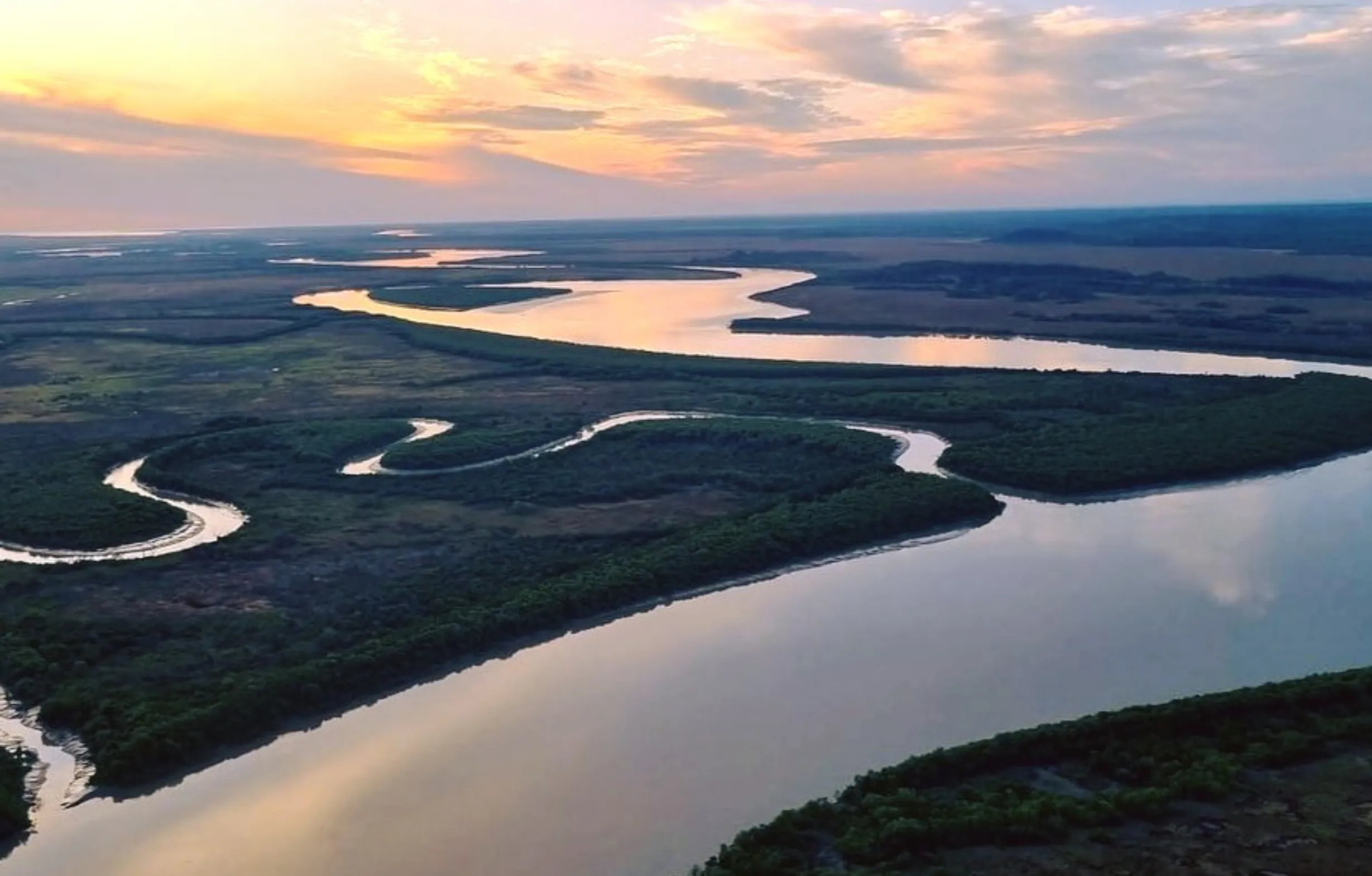
Kakadu is a global treasure, but its future is at risk. Without action, climate change, invasive species, industrial activities, cultural erosion, and tourism pressure could irreversibly damage its unique landscapes and biodiversity. Protecting Kakadu requires the cooperation of governments, Indigenous communities, conservationists, and visitors to ensure this amazing park remains a thriving haven for generations to come. Exploring the park responsibly through a Kakadu day tour is a great way to appreciate its beauty while supporting sustainable tourism. Darwin Tours Kakadu and Darwin to Kakadu tours offer guided experiences that help visitors learn about the park’s cultural and natural significance while minimizing environmental impact.
FAQ
Why is Kakadu National Park a UNESCO World Heritage Site?
Kakadu is recognised for its natural heritage and cultural values, including habitat diversity, millions of waterbirds, endemic species and Aboriginal rock art dating back tens of thousands of years. It’s one of the most important protected areas in Australian ecosystems.
What are the biggest environmental threats to Kakadu?
The main threats are climate change impacts, invasive species, feral animal populations, uranium mining contamination and tourism pressure. Saltwater incursions, habitat loss and community disruption are also big concerns.
How does climate change affect Kakadu’s wetlands?
Rising sea levels are causing saltwater incursions into Kakadu’s fresh water systems, turning wetlands into saltwater ecosystems and threatening the abundance of freshwater plants and native species that depend on them.
What role do Indigenous communities play in protecting Kakadu?
Aboriginal communities and traditional owners co-manage Kakadu with Parks Australia to protect its Aboriginal heritage, cultural values and environmental values. They bring knowledge of bacterial communities, animal species and modern day conservation practices.
How can visitors help protect Kakadu National Park?
Follow trip guidelines, respect cultural sites, don’t disturb wetland dependent animals and follow crocodile signs. Use eco-friendly Kakadu operators like Wayoutback Tours.