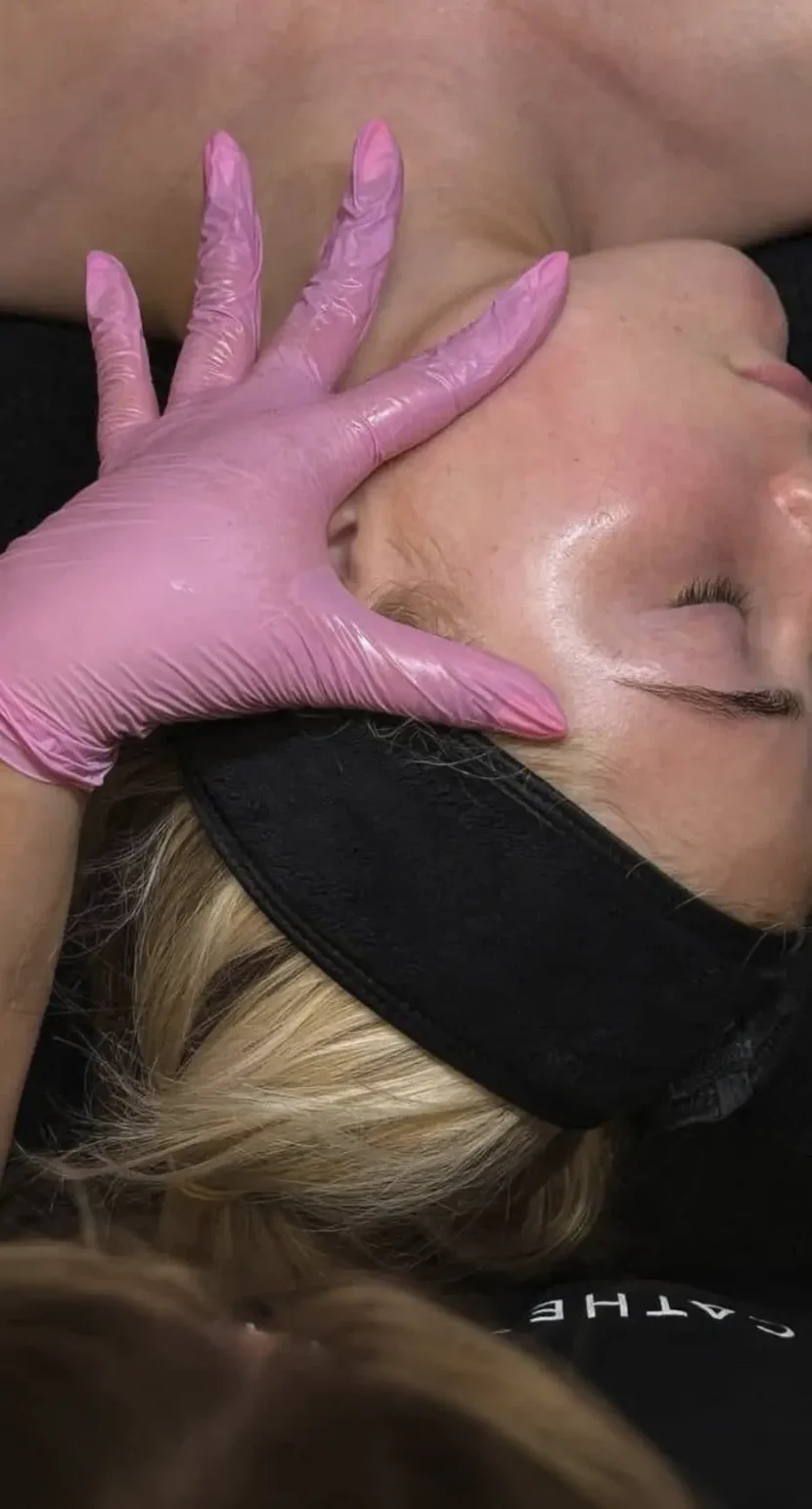
“Vegan alternatives to traditional collagen facials?” – a question that comes up probably every other day at The Facial Hub, usually from clients strolling in to our Brisbane-based greater firmness, and healthy skin function, you should definitely consider facial clinic in Brisbane looking for a treatment that fits their values and gets real results for their skin.
After nearly 20 years in the treatment room (from Mayfair to the Brisbane climate), I can tell you this – collagen facials themselves don’t magically “add” collagen to your skin – vegan or otherwise. What boosting boosts your own collagen production, takes a crucial barrier, and chooses plant-based ingredients that genuinely do make a difference for skin health.
And yes, some pretty effective, science-backed options deliver real results without the need for animal-derived ingredients like marine collagen or bovine collagen.
Contents
- 1 Why Surface Hydration Isn’t Enough For Lasting Results
- 2 The Rise Of Plant-Based Skin Solutions
- 3 Ingredients That Support Skin Structure Naturally
- 4 Comparing Treatment Approaches In Real Life
- 5 Your Brisbane Facial Experience Step By Step
- 6 Real Client Insight From My Brisbane Clinic
- 7 Common Misconceptions Clients Still Believe
- 8 Hygiene, Safety, and Product Standards
- 9 Is This Approach Right For Your Skin Goals?
- 10 Final Thoughts — And A Gentle Nudge
- 11 FAQ
Why Surface Hydration Isn’t Enough For Lasting Results
Traditional collagen facials sound pretty appealing because they promise you’ll leave with plump, youthful-looking skin. They usually use marine or bovine collagen, both rich in Type 1 collagen found in connective tissue. But here’s the bit that often isn’t spelled out.
Collagen molecules are just too big to penetrate deep into the skin. Instead of making any real change, they just sit on the surface – like a temporary water lock. You might leave feeling all soft and dewy for a bit, but that effect will wear off fast because it hasn’t actually changed anything inside your skin.
What your skin actually needs is structural support. That means:
- Delivering amino acids – collagen’s building blocks
- Encouraging your skin to make its own collagen
- Protecting against collagen breakdown and damage – especially from UV exposure
In Brisbane, where the sun is strong and constant, looking after your connective tissues is just as important as treating them.
The Rise Of Plant-Based Skin Solutions
I’ve seen my fair share of trends come and go in the beauty industry, but this natural skincare, plant-based thing is starting to be more about science and sustainability than just a fad.
The rise of the vegan beauty movement isn’t just about being kind to animals – it’s also about making skincare choices that have a lower impact on the planet and fewer nasty nasties like heavy metals.
Here at The Facial Hub, we don’t follow every trend that comes along. We’re more about:
- Supporting skin elasticity and long-term health
- Using plant-based skincare that actually has some science behind it
- Choosing treatments that make your skin stronger, not just mask any problems
Because your skin isn’t a fashion statement – it’s a living, breathing system.
Ingredients That Support Skin Structure Naturally
Let’s have a look at the ingredients and treatments that really deliver – the ones I rely on in my day-to-day work in clinic.
Plant-Based Peptides (Your Skin’s Communication Signals)
Plant-derived peptides act a bit like messengers, nudging your skin to produce more of what it needs. They boost collagen production, improve skin flexibility, and generally help connective tissue.
They’re a real game-changer when we’re looking to prevent wrinkles from forming or help restore firmness without irritating the skin.
Bio-Available Vitamin C (Essential For Skin Renewal)
And then there’s high-quality, absorbable vitamin C – one of the most effective ways to give your skin a bit of a kickstart. It’s like a protective shield for the skin, keeping it safe from environmental stressors while encouraging healthier, stronger skin over the long term.
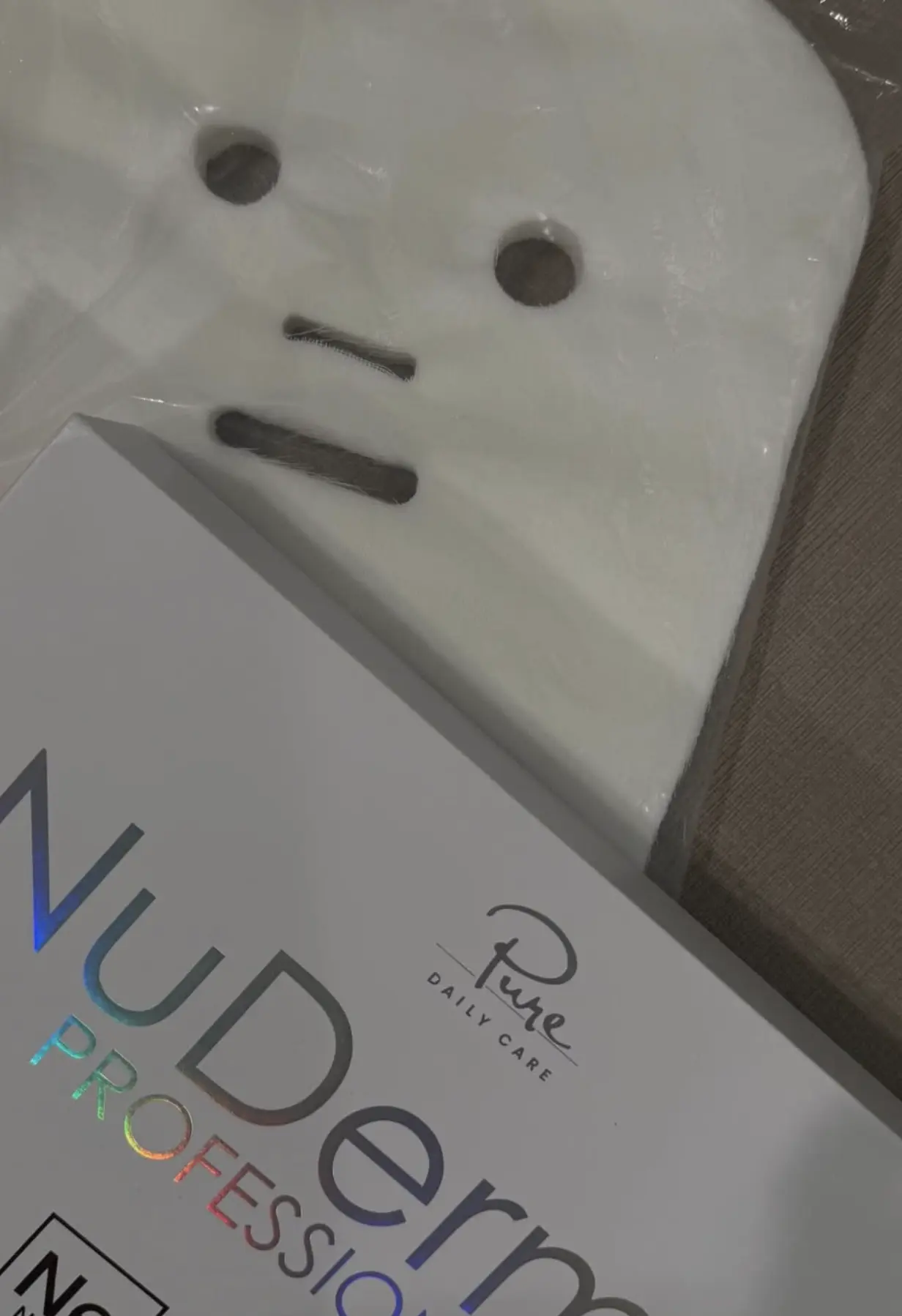
In the clinic, I often pair this with a hydrojelly facial mask after a treatment – it really helps calm down the skin and keep in moisture, especially in Brisbane’s climate where it’s easy to get dehydrated.
Bakuchiol (A Gentle Retinol Alternative)
Bakuchiol is one of those ingredients that genuinely lives up to all the hype. It’s a plant-derived anti-ager that helps smooth out texture and reduce the appearance of fine lines – all without irritating the skin like some traditional retinol products can.
It’s a go-to for clients with sensitive skin who want to see real results without the irritation.
Hyaluronic Acid (Barrier Support Essential)
Nowadays, most hyaluronic acid is produced through fermentation, which is great for vegans who want to avoid animal-derived ingredients. While it doesn’t directly build collagen, it plays a crucial supporting role in keeping the skin hydrated and healthy.
When your skin is hydrated, it functions better, responds better to treatment, and creates a great environment for regeneration. So if your skin’s dehydrated, everything else is just going to struggle to work properly.

Advanced Botanical Actives And Future Formulations
One of the most exciting developments in skincare is the creation of new, advanced plant-based actives. We’re now working with:
- Algae extracts that are super-rich in amino acids
- Bamboo extract to help support the skin’s structural resilience
- Plant-based proteins that reinforce connective tissue
And there’s some really interesting work being done on bio-designed, synthetic, and biomimetic collagen that mimics natural collagen in the skin.
Early university-led studies – including some pretty rigorous randomised, double-masked, placebo-controlled trials with 3D imaging showing some really promising results, especially when it comes to hydration and visible firmness. It’s an evolving space – but one that’s definitely worth keeping an eye on.
Comparing Treatment Approaches In Real Life
Here’s how these options compare in real life — not just on paper.
| Treatment Type | Key Ingredients | Mechanism | Results Timeline | Suitability |
|---|---|---|---|---|
| Traditional Collagen Facial | Marine collagen, bovine collagen | Surface hydration | Immediate (short-term) | Most skin types |
| Vegan Peptide Facial | Plant-based peptides, plant extracts | Stimulates collagen production | 4–6 weeks | Sensitive, ageing skin |
| Vitamin C Facial | Bioavailable vitamin C | Boosts collagen synthesis | 2–4 weeks | Pigmentation, dull skin |
| Bakuchiol Facial | Plant-based retinol alternative | Supports collagen + turnover | 6–8 weeks | Reactive skin |
| Advanced Vegan Facial | Algae extracts, bamboo extract | Cellular repair + connective tissue support | 4–8 weeks | Long-term skin goals |
Real results take time — because your skin is rebuilding, not masking.
Your Brisbane Facial Experience Step By Step
Every person’s journey is unique, but that’s how I guide people through their treatments at The Facial Hub. Every time, it’s a bit different.
Before Your Treatment
- Try to avoid any harsh exfoliating for a bit beforehand
- Focus on getting your skin well-hydrated
- If you’ve been doing things like skin needling at The Facial Hub Brisbane, take a break from those for a few days before your treatment.
During Your Facial
I do a gentle approach:
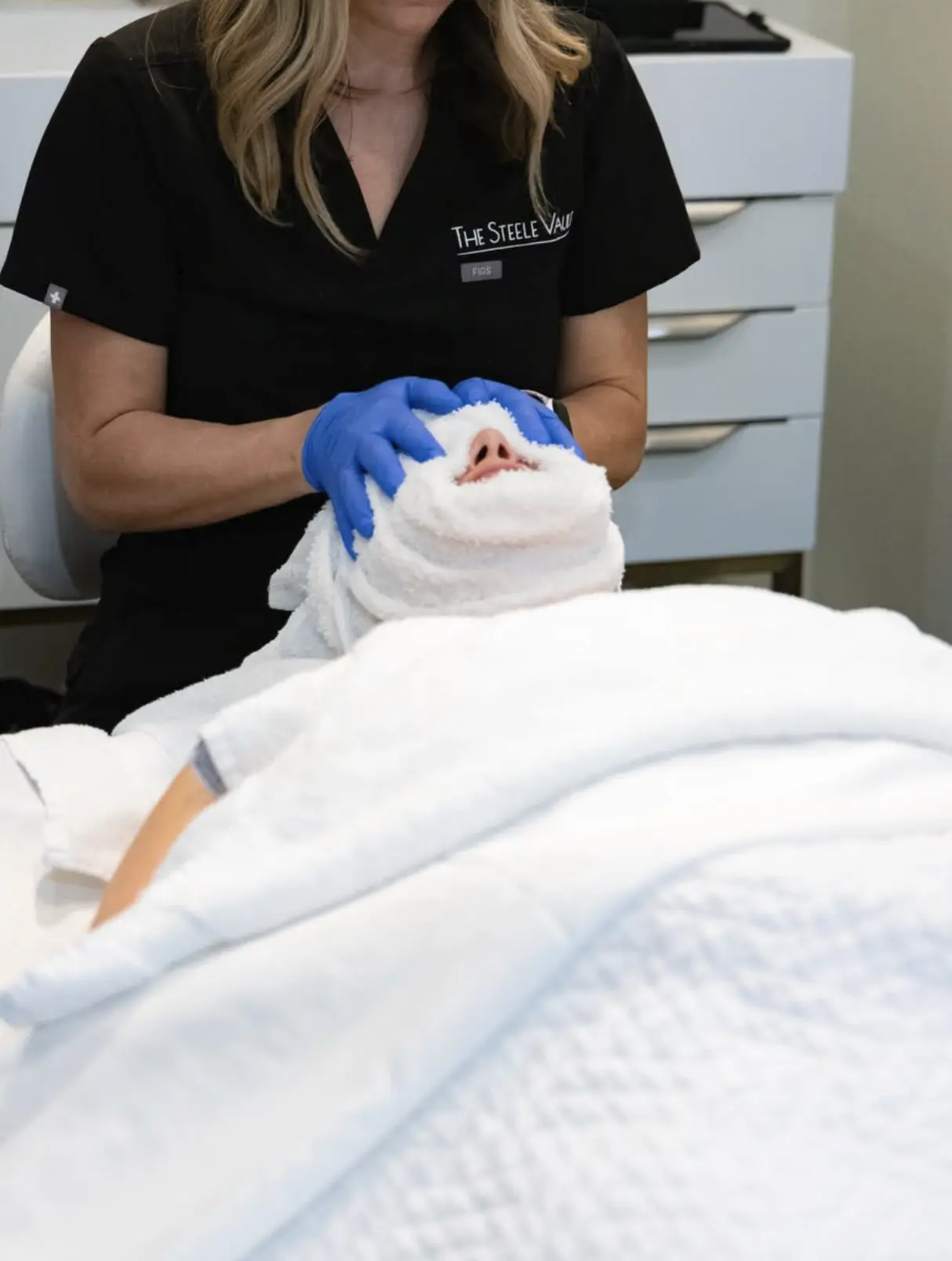
- We start with a gentle cleanse
- Then I’ll get some of those plant-based ingredients we’re using to really deliver
- And to top it off, we’ll get some barrier repair going on
Lots of people like to combine things like a hydrafacial at The Facial Hub with some targeted vegan actives – it really seems to boost the results.
Aftercare Matters More Than You Think
The thing is, results really do depend on how consistently you look after your skin.
I would recommend:
- Make sure you’re using a daily SPF
- Keep up with a hydration-focused skincare routine
- Try not to overdo it with exfoliating
The thing is, taking care of your skin this way really does help prevent things like collagen degradation.
Real Client Insight From My Brisbane Clinic
One client came to us with every product under the sun – from harsh peels to oral collagen and collagen peptides – and she was getting nowhere.
She was at her wits’ end, elasticity just generally looking really aged. So instead of piling on more treatments, I said, ‘Let’s simplify everything.
So we went back to the basics:
- We started with some barrier repair
- Some plant-based actives that just support the skin’s own natural regenerative process
- And kept up with some regular treatments – including a Hydrafacial at The Facial Hub Brisbane
Within a few months – it was about 8 weeks, I think – her skin looked so much healthier and calmer. It didn’t need a grandstand but just a bit of support and consistency.
Common Misconceptions Clients Still Believe
One of the biggest myths is that slapping on some collagen will magically fix everything. But the truth is your skin makes what it needs out of amino acids on its own – it doesn’t need to have it all applied to it from the outside.
Another one that really gets my goat is the idea that plant-based collagen supplements will always do more for you than a targeted professional treatment.
And finally, the idea that plant-based skincare is somehow weaker than, say, a chemical cream. But when it’s done properly, it’s incredible stuff.
Hygiene, Safety, and Product Standards
At The Facial Hub, your safety is our top priority.
So we stick to:
- Really strict hygiene protocols
- High-quality products that are as clean as can be
- And treatments that are carried out by the professionals
Because really, the only thing that matters is that you feel safe and get results that are genuinely going to help your skin.
Is This Approach Right For Your Skin Goals?
If you’re looking for long-term skin resilience, greater firmness, and healthy skin function, you should definitely consider plant-based treatments.
But let’s be realistic, your skin isn’t going to change overnight. Not in a way that’s going to last, anyway.
Final Thoughts — And A Gentle Nudge
Healthy skin comes from consistency, not just a one-off quick fix.
A vegan alternative to that collagen facial you’ve been thinking about might actually be a smarter, more sustainable way to go – especially when tailored to your skin specifically.
FAQ
Can these facials really improve firmness over time?
Yes, they can – when you’re doing them consistently at home, and combined with regular treatments, you should start to notice a smoother, more resilient skin in a few weeks.
How often should you book in for the best results?
Most people find they get the best results when they come in every 4 – 6 weeks, depending on what’s going on with their skin and what they’re trying to achieve.
Are these options suitable for skin prone to spots?
Definitely – especially if we focus on repairing your skin barrier and using gentle actives rather than trying to rip it all away with harsh exfoliants.
Do I need to chuck my whole skincare routine out the window?
Not at all – often we just refine what you’re already using rather than starting from scratch.
Is there any downtime after one of these treatments?
Minimal – most of our clients leave looking like they’ve had the most amazing facial and feeling like they’re glowing from the inside out.