How Much Does a 2 Week Full Territory Tour Cost in 2026? The very first thing people want to know is how much it’ll cost to turn the dream of driving across the Northern Territory from a pub conversation to a serious plan. IF you’re planning on doing a lap of both the sweltering Top End and the red dirt of Central Australia, a realistic budget for 2026 is going to be somewhere between $6,500 to $11,000 per person, depending on whether you want to rough it, go with a bunch of other people on a guided tour, or travel in your own less than luxurious crew.
Hi, I’m Paul Beames. I’ve been running, planning, and refining these long road trips across the Territory for years. What follows is the lowdown on what you’ll really be paying for, how to get the best bang for your buck, and where you can probably cut some corners without ruining your trip out to the Stuart Hwy.
Contents
- 1 What a Full Territory Loop Covers
- 2 Why Territory Travel Costs An Arm and a Leg
- 3 What a 2-Week Territory Trip Costs
- 4 Transport Choices and Cost
- 5 Scenic Extras to Add Some Ooh-Ah to Your Trip
- 6 Time is Money – How and When You Go Affects Your Trip
- 7 Experiences that Actually Add Depth to Your Trip
- 8 Cutting Costs Without Cutting any Corners
- 9 The Small Print You Always Forget
- 10 Why 14 Days is the Perfect Amount of Time
- 11 Final Takeaway on Budgeting for 2026
- 12 FAQ
- 12.1 Are Kakadu visits a given on longer Territory itineraries?
- 12.2 Do Red Centre itineraries include both Uluru and Kata Tjuta?
- 12.3 Are Kimberley places like the Bungle Bungles part of NT trips?
- 12.4 How many chances are there of spotting crocodiles?
- 12.5 Is internet access reliable all the way through the journey?
What a Full Territory Loop Covers
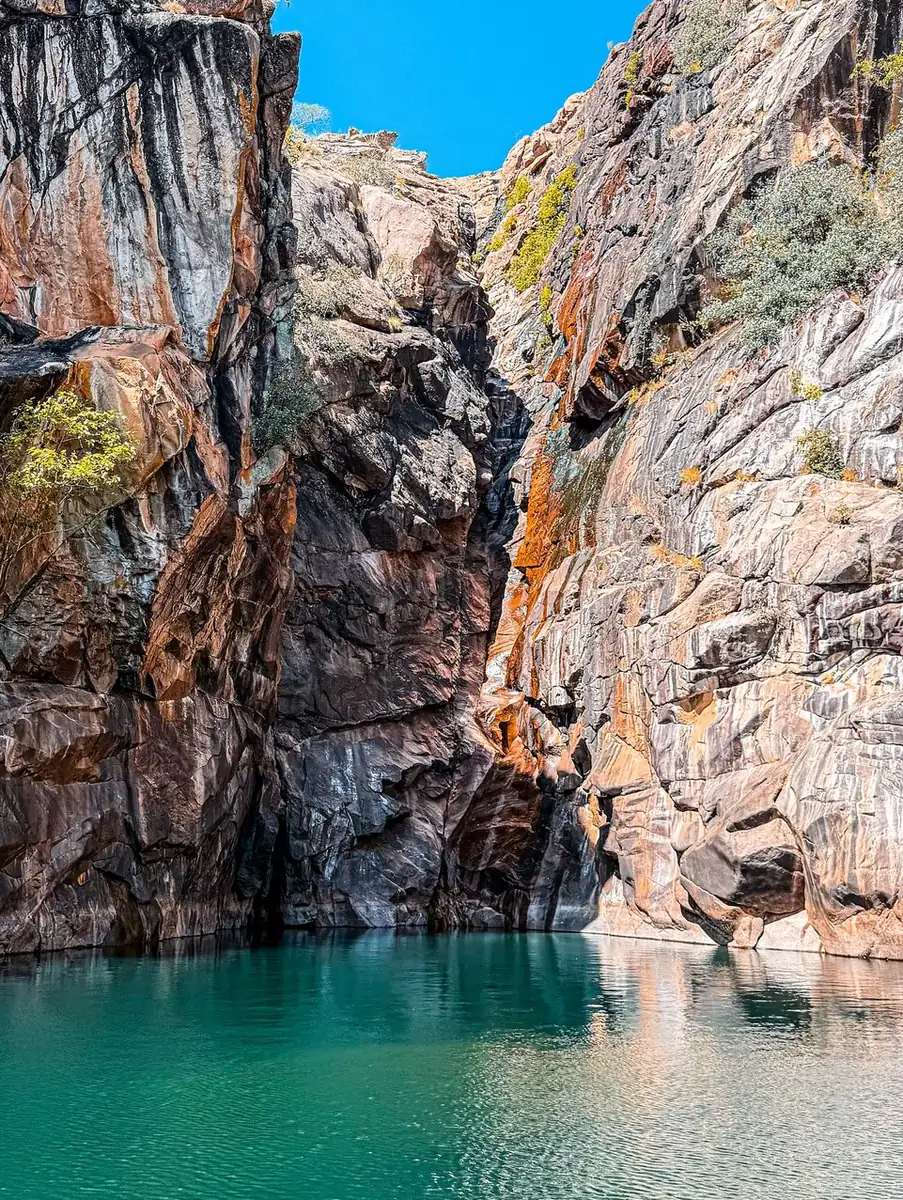
A trip like this is a lot more than just a 2 week holiday – it’s a serious journey that takes you through the floodplains and rocky outcrops of the north and then down to the vast desert systems around Alice Springs and the Red Centre. And let me tell you, that distance makes all the difference when it comes to things like how much you’ll get charged for fuel, or where you can and can’t stay overnight.
A standard 14-day route might look something like this:
- The Adelaide River and some of the really beautiful wetlands in the Darwin Region
- Kakadu National Park – we’re talking Yellow Water, the Magela floodplain, and the famous rock art at Ubirr
- Getting close to the border of Arnhem Land on the Arnhem Hwy
- The crocodile-infested Mary River floodplain (you’ll want to keep a safe distance if you see any)
- Litchfield National Parks, which is basically a chance to swim at Florence Falls and Wangi Falls
- The Mary River floodplain again, where getting up close with saltwater crocodiles
- Nitmiluk National Park, which is basically the Katherine Gorge (also known as Nitmiluk Gorge)
- A cruise down the gorge and a visit to Edith Falls
- Tennant Creek, and then make your way south to Alice Springs
- A big hike out to Kings Canyon, and then head to Kata Tjuta and Uluru Ayers Rock – you might even catch the Field of Light or Wintjiri Wiru show if you’re lucky
That’s anywhere from 3,500 to 4,000km, and in a place this huge, getting from point A to point B costs.
Why Territory Travel Costs An Arm and a Leg
Youd think the prices are just made up to rip off tourists. But the truth is, the NT is just really far from anything else, really hot, and really hard to get supplies to, so it’s expensive. And yes, that means you’ll get to pay a premium for every last litre of fuel, every last night in a room that hasn’t been flown in bits by truck.
The Fuel Bills
Fuel is like its own little game of price gouging out here. If you’re driving the Stuart Hwy or heading into the parks, you can expect to pay way more than you would back in the city. For 2026, we’re looking at $2.40 to $2.70 per litre.
Over 14 days, a group of friends is likely to get through:
- 600 to 800 litres of fuel
Which adds up to around $1,500 to $2,100 – and that’s just the fuel bill, before you even think about flying a helicopter over Kings Canyon for the views.
We’re Talking Remote Area Prices
The cost of staying in a hotel or even camping near a national park is jaw-dropping, just because every last thing – food, water, electricity – has to be transported all the way out here.
So what can you expect to pay in 2026?
- Budget lodges are going to be around $180 to $250 per night
- Safari-style lodges are basically $280 to $450 per night – yeah, those are some high prices
- Camping can help cut costs, but it’s not exactly the most fun in the Wet Season, and you’ll need to keep one eye out for crocs the whole time.
What a 2-Week Territory Trip Costs
To be honest, most people end up in the middle of the road when it comes to budget – either with a group of mates, or with a tour group that’s been doing this for years.
| Cost Area | Estimated Cost (AUD) |
|---|---|
| Transport & fuel | $1,400 |
| Accommodation (13 nights) | $2,600 |
| Meals | $1,100 |
| Park passes & permits | $180 |
| Cultural experiences & cruises | $1,200 |
| Operations & tour guides | $1,200 |
| Estimated Total | $8,680 |
Flights to Darwin and back from Alice Springs are usually an added expense.
Transport Choices and Cost
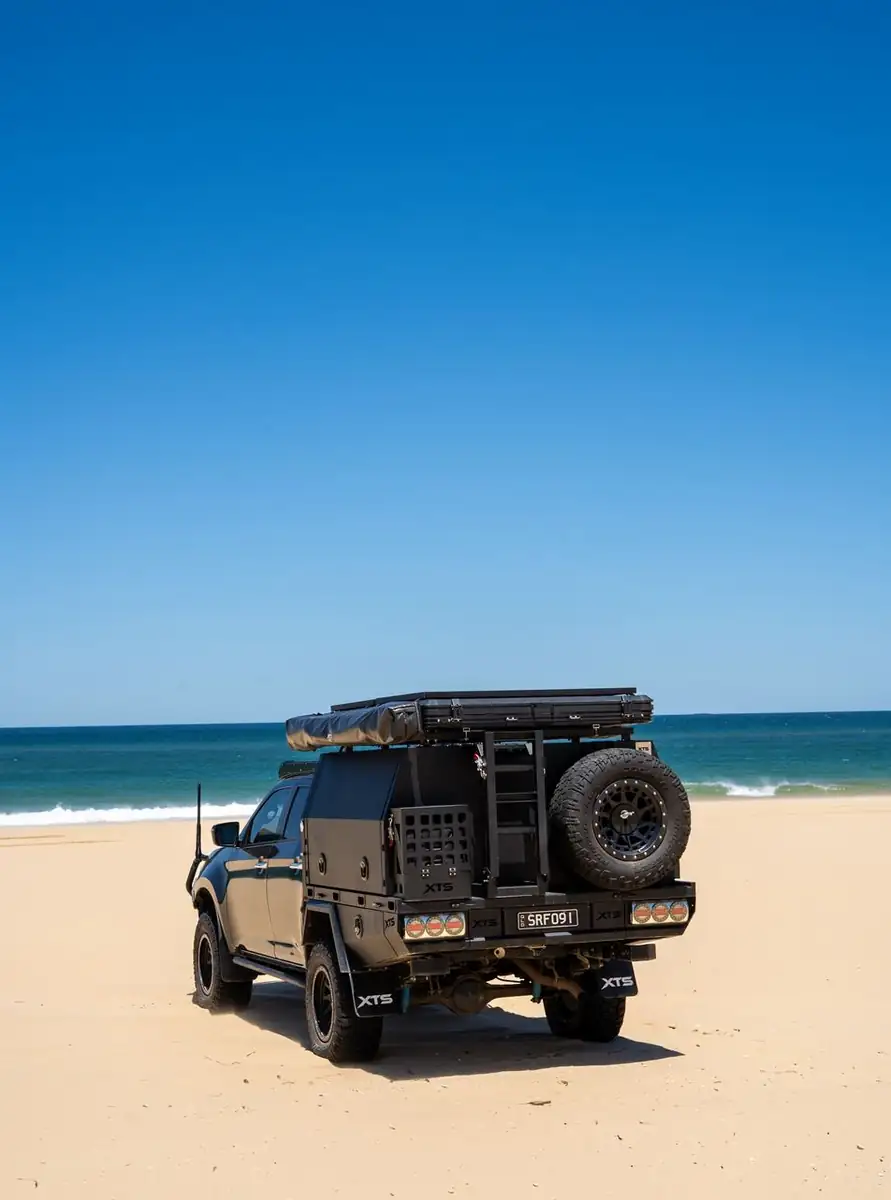
To be honest, your mode of transport is far more important here than almost anywhere else in the country.
Hitting the Open Road in a Touring Vehicle
Purpose-built touring vehicles are the way to go here – they can handle the heat, the corrugations and the distances without too much fuss. You pay a bit more upfront, but at least you know what you’re getting – no nasty surprise tyre blowouts when you least expect it.
Taking the Long Way Around on the Ghan
Some of us like to link our itinerary with The Ghan run by Journey Beyond – it’s a great way to add a bit of comfort and cost-effectiveness to your trip and avoid having to spend long days driving.
Scenic Extras to Add Some Ooh-Ah to Your Trip
Helicopter flights over Kings Canyon or Kata Tjuta are always a treat – but they’ll cost you around $250-$450. Not essential, but if it’s in the budget, then it’s definitely worth doing.
Time is Money – How and When You Go Affects Your Trip
Seasonality has a big impact on both prices and what you can do.
The Dry Season (May–September)
- Peak demand, so prices go up a bit
- Nights are cooler, and waterfalls are actually flowing
- All the major sites are open
- Be prepared to pay 10-25% more than usual
Wet Season (November–March)
- Prices might be a bit lower on paper
- Road and park closures are more common
- You’ll be looking for a way to see the floodplains of Kakadu
Most people try to complete their full loop during the Dry Season or the shoulder months for the reasons above.
Experiences that Actually Add Depth to Your Trip
Some of the things you can include in your trip are actually worth paying for – they add a bit of depth rather than just being a flashy extra.
- Getting a guide to interpret the rock art at the Ubirr art site and the Nourlangie Rock Art
- Doing a Yellow Water Cruise through the wetlands of Kakadu
- Taking in an evening experience like Field of Light or Wintjiri Wiru
- Getting a talk from an Aboriginal guide on what to do with bush tucker
These are the things people remember long after the dust has settled.
Cutting Costs Without Cutting any Corners
If you need to save some cash:
- Try sharing accommodation when you can
- Skip the helicopter add-ons – they’re not essential
- Limit your shopping in those out-of-the-way roadhouses – souvenirs can be pricey
- Don’t cut corners on the important stuff – the last thing you need is to be stuck in the middle of nowhere with a dodgy vehicle or no permits.
The Small Print You Always Forget
Even with a well-organised itinerary, there’s always something that slips through the net.
Make sure you plan separately for:
- Flights to and from the NT
- Snacks and booze – you can’t always rely on shops being open
- Travel insurance and any potential medical bills
- That dodgy Wi-Fi that seems to be a thing in some parts of the NT
Remote travel means being comfortable offline – it’s just part of the deal.
Why 14 Days is the Perfect Amount of Time
All the stats say that longer trips are much more satisfying – you’ve got the time to slow down, adapt to the weather and actually take in the sights instead of rushing from one place to the next.
That’s why the Tours Northern Territory you hear people raving about in the NT are never rushed.
Final Takeaway on Budgeting for 2026
If you really want to take your time and see the whole of the Northern Territory – from the Top End’s stunning wetlands to the Red Centre’s rugged rock formations – budget around AUD $8,000 – $9,500 per person for a 14-day trip in 2026, assuming you’re after a well-planned and hassle-free experience.
Of course, you can do it cheaper, or you can choose to splurge on a higher-end experience, but be warned: the two aren’t always the same thing.
FAQ
Are Kakadu visits a given on longer Territory itineraries?
Yep. Most comprehensive itineraries will include the highlights of Kakadu, such as Yellow Water, the Ubirr rock art, and sometimes time spent around the Magela floodplain.
Do Red Centre itineraries include both Uluru and Kata Tjuta?
For the most part, yes. These two sites are real bucket-list destinations, and most of the time, they’re paired with beautiful sunset light installations.
Are Kimberley places like the Bungle Bungles part of NT trips?
No way. Areas such as Purnululu National Park (the Bungle Bungles) and Gibb River Road are in Western Australia and are part of separate Kimberley itineraries.
How many chances are there of spotting crocodiles?
Pretty high, actually. Saltwater crocodiles are pretty common around the Adelaide River, Mary River, and Kakadu wetlands – so long as you’re with a guide, that is.
Is internet access reliable all the way through the journey?
Sorry to say, but only in the big cities will you have reliable internet. Don’t expect much in national parks or out in the middle of nowhere.